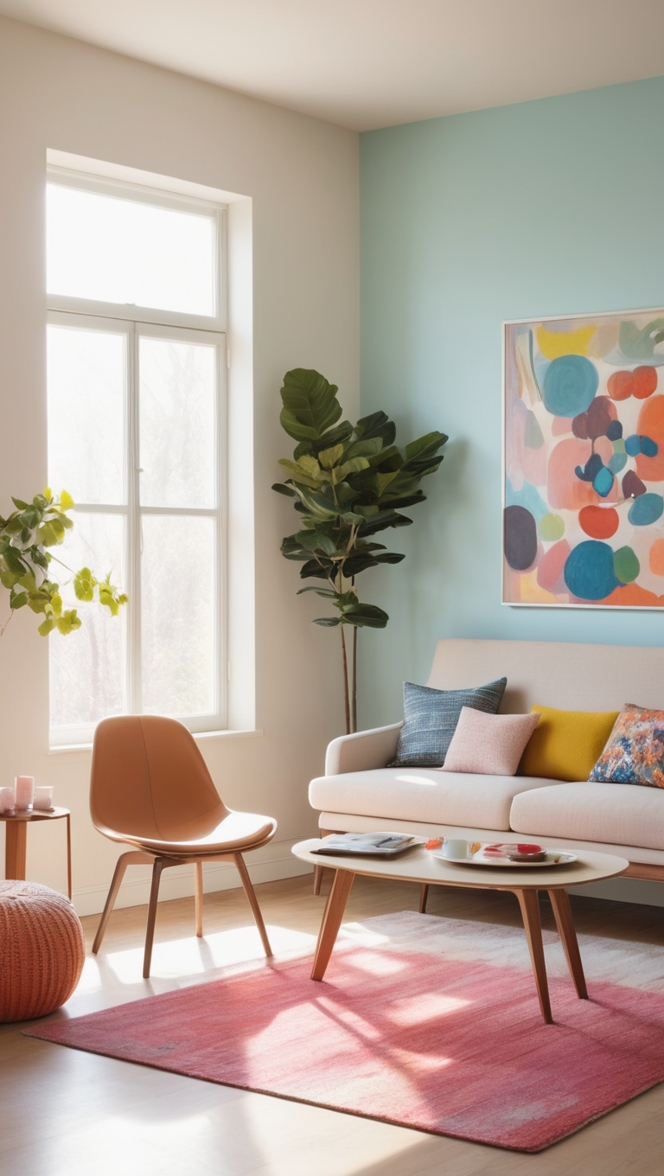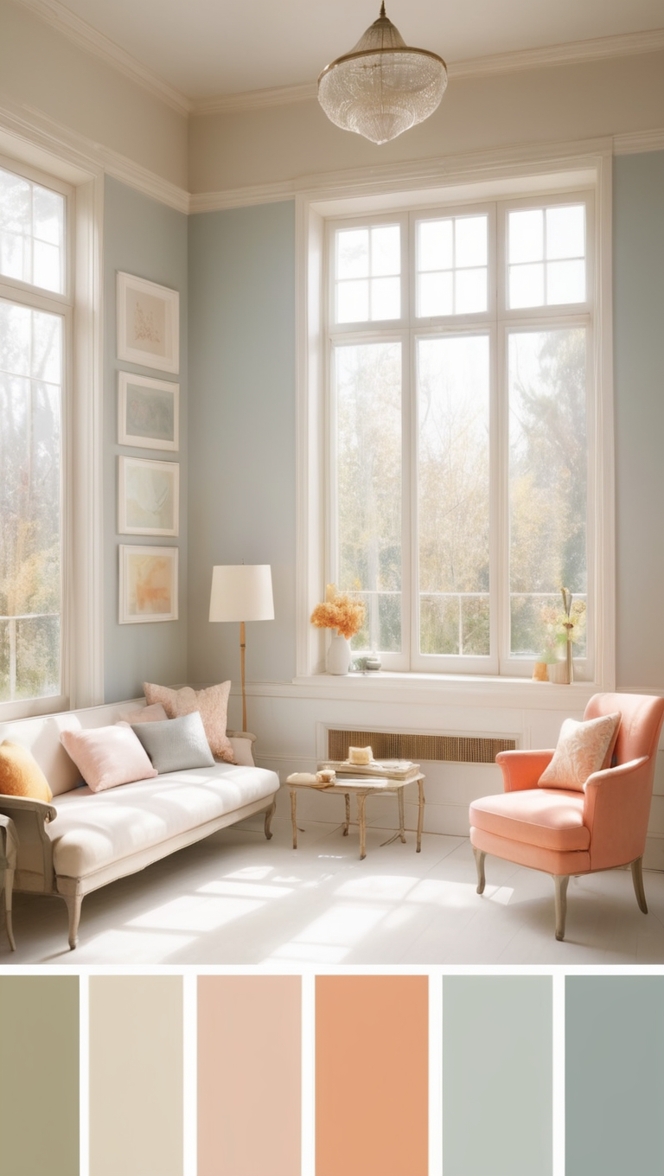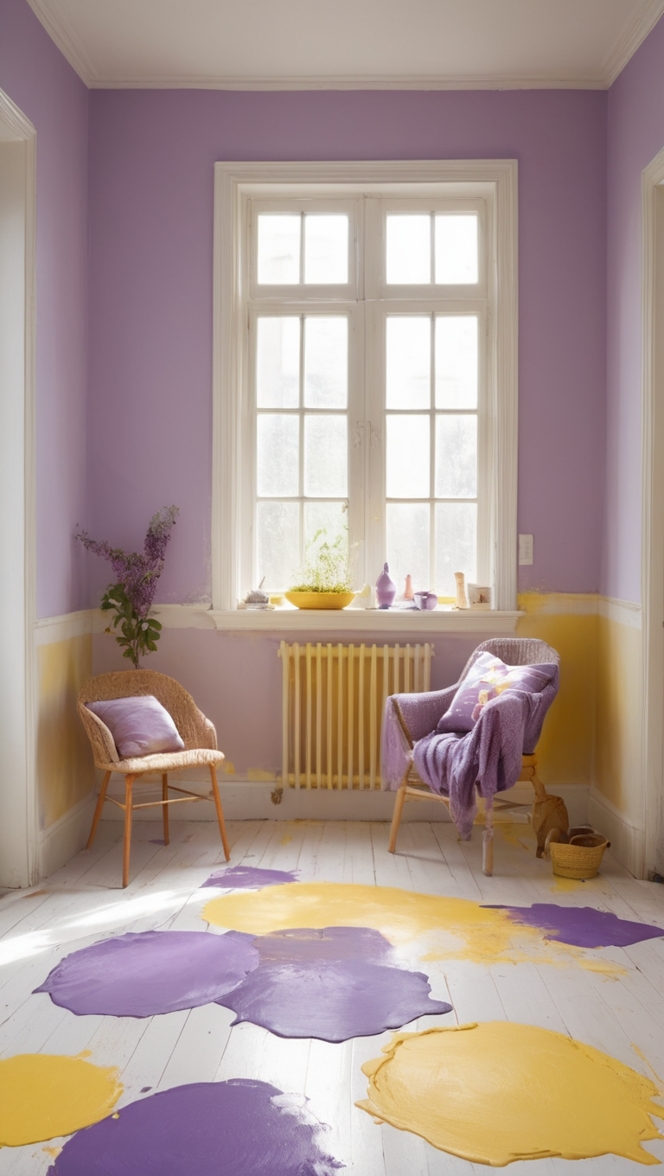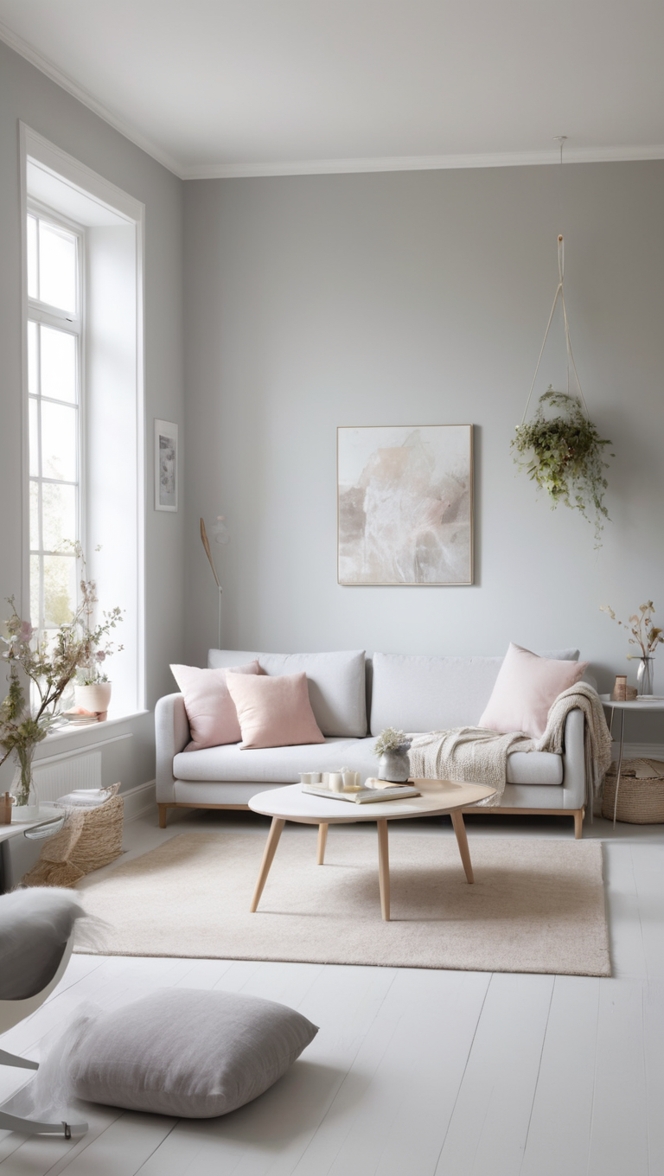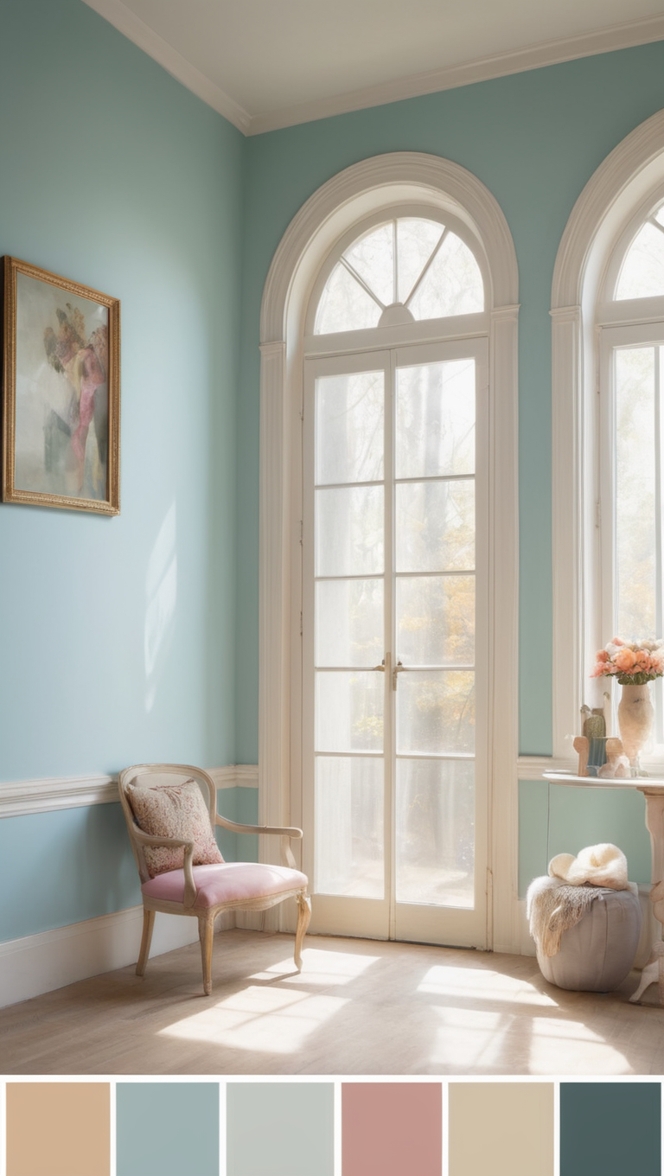
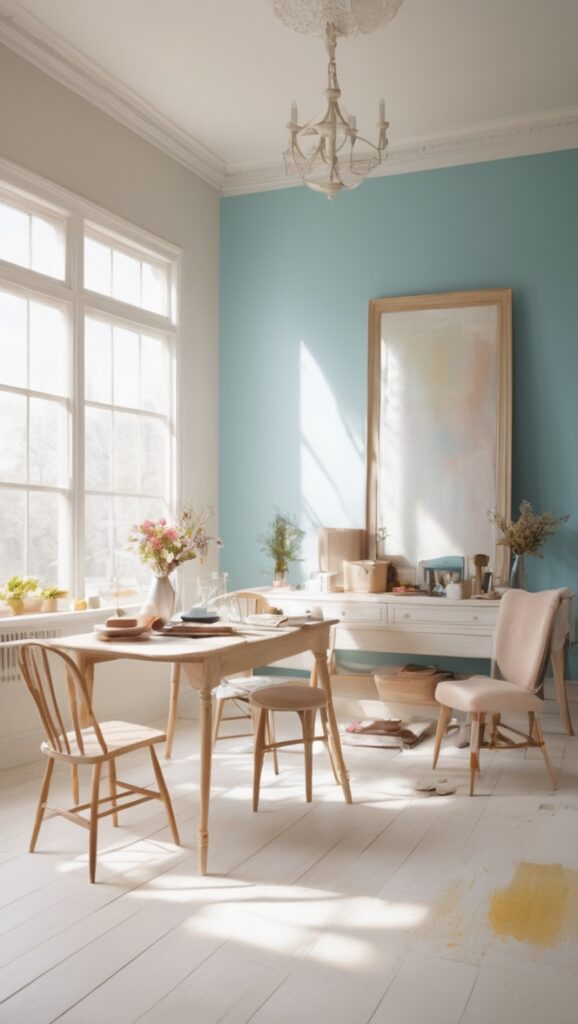
Unlock the secrets of premium color schemes and bespoke designs with color psychology by a color consultant.
Disclosure: This post contains affiliate links. We may earn a commission at no extra cost to you.
**How can I create a professional color palette design?**
**Professional Color Palette Design**
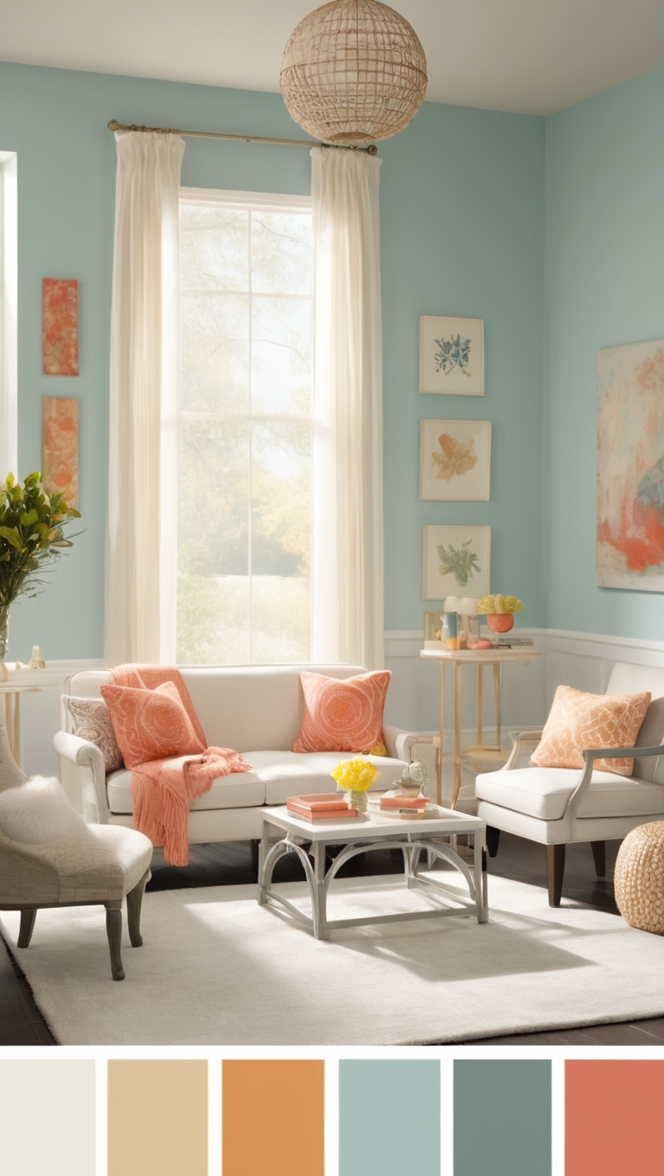
To create a professional color palette design for your home decor ideas, start by selecting a main color as your base and then choose complementary colors for accents. Consider the mood you want to create and use color theory to ensure harmony. Experiment with different shades and tones to find the right balance. Be mindful of the size of the rooms and lighting conditions, as colors can appear different in various settings. Use tools like color swatches or online resources to help visualize the combinations before committing. Remember to test samples on walls to see how they look in your space before fully implementing the palette. Be organized by keeping track of the chosen colors and their placements to maintain consistency throughout your home.
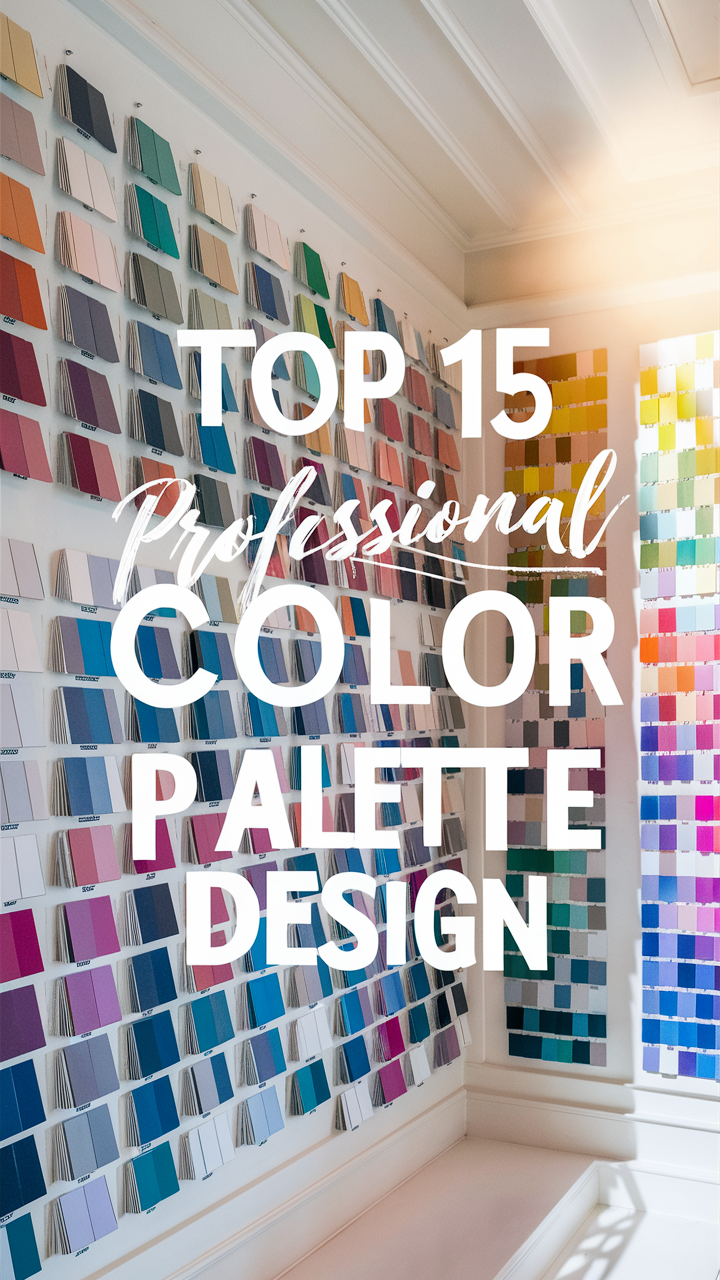
How can I create a professional color palette design??
1. What defines a professional color palette design?
As a homeowner who enjoys experimenting with interior design, creating a professional color palette design involves selecting a harmonious combination of colors that evoke a specific mood or style. Professional color palettes are cohesive, balanced, and visually appealing, enhancing the overall aesthetic of a space.
2. Why is having a well-thought-out color palette important for design projects?
A carefully curated color palette can set the tone for a room, creating a cohesive look that ties together various elements of the design. It can create a sense of balance, harmony, and visual interest, making the space more inviting and aesthetically pleasing.
3. What are some key principles to consider when creating a color palette?
When creating a color palette, it’s essential to consider factors such as color theory, contrast, balance, and the emotional impact of different hues. Understanding the relationships between colors and how they interact can help you create a harmonious and visually striking palette.
4. How can I choose colors that complement each other in a professional color palette?
One approach is to use a color wheel to identify complementary, analogous, or monochromatic color schemes. Experimenting with different combinations and considering the undertones of each color can help you create a palette that works well together.
5. What tools or resources can help me create a professional color palette design?
There are several online tools and resources available to help you create a professional color palette, such as Adobe Color, Coolors, or Pantone’s Color Finder. These tools allow you to explore different color combinations, save palettes, and even generate color codes for easy reference.
6. How can I ensure that my color palette is accessible and inclusive?
Consider factors such as color contrast, readability, and color blindness when selecting colors for your palette. Aim to create a palette that is inclusive and easily distinguishable for all users, regardless of their visual abilities.
7. What are some common mistakes to avoid when working on a color palette for a design project?
Avoid using too many colors in your palette, as this can create visual clutter and overwhelm the space. Additionally, be mindful of color trends and consider the overall context and purpose of the design project to ensure that the colors chosen are appropriate and timeless.
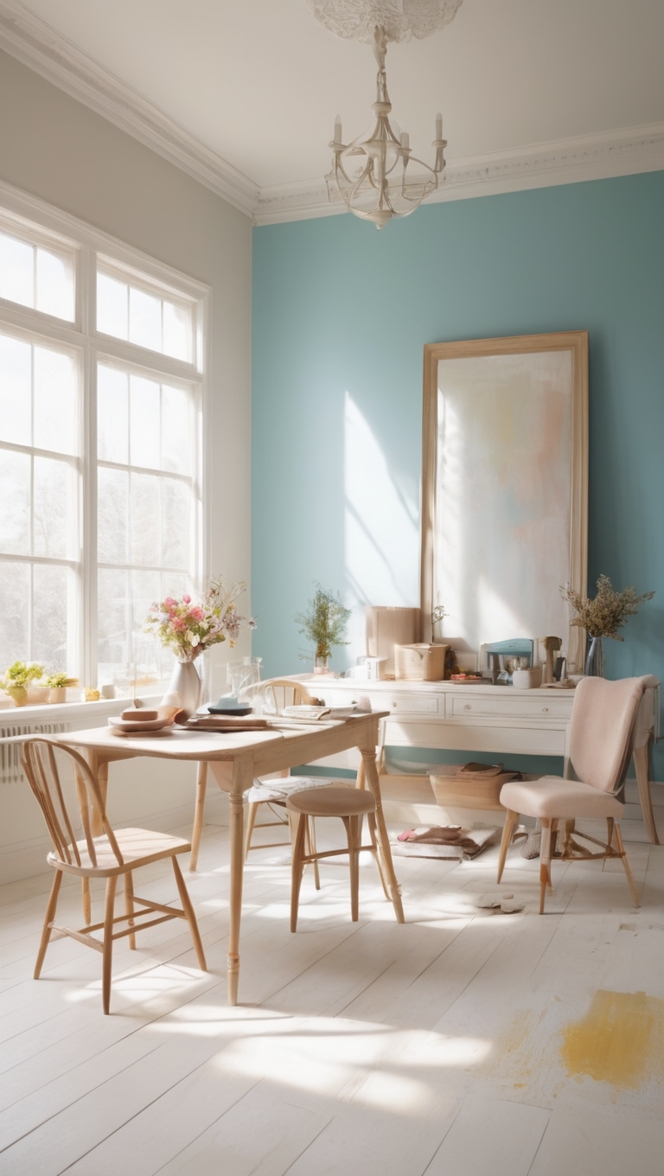
**Creating a Professional Color Palette Design: 12 Unique Ideas Using Real Paint Colors**
When it comes to designing your home decor, one of the key elements that can make a significant impact is the color palette you choose. A professional color palette design can elevate the look and feel of your space, creating a cohesive and harmonious environment. In this article, we will explore 12 unique ideas for creating a professional color palette using real paint colors from popular brands like Sherwin-Williams and Benjamin Moore.
1. **Serene Coastal Retreat**
– Main Color: Sea Salt (Sherwin-Williams)
– Complementary Colors: Misty Gray, Ocean Blue
– Create a calming and serene atmosphere inspired by the colors of the coast. Use soft blues and grays to evoke a sense of tranquility and relaxation.
2. **Modern Elegance**
– Main Color: Revere Pewter (Benjamin Moore)
– Complementary Colors: Hale Navy, White Dove
– Achieve a sophisticated and timeless look with a palette of warm neutrals and bold accents. Incorporate metallic finishes for a touch of glamour.
3. **Bohemian Chic**
– Main Color: Moroccan Red (Sherwin-Williams)
– Complementary Colors: Peacock Blue, Goldenrod
– Embrace eclectic and vibrant hues to create a bohemian-inspired space filled with rich textures and patterns.
4. **Minimalist Oasis**
– Main Color: Simply White (Benjamin Moore)
– Complementary Colors: Soft Gray, Pale Blue
– Keep it simple and clean with a minimalist palette of whites and light pastels. Focus on clean lines and natural materials for a serene retreat.
5. **Earthy Retreat**
– Main Color: Sage Green (Sherwin-Williams)
– Complementary Colors: Terracotta, Mustard Yellow
– Bring the outdoors inside with earthy tones inspired by nature. Use warm greens and earthy hues to create a cozy and inviting space.
6. **Glamorous Jewel Tones**
– Main Color: Hague Blue (Farrow & Ball)
– Complementary Colors: Emerald Green, Ruby Red
– Add a touch of luxury and drama with rich jewel tones. Create a bold and sophisticated look with deep blues, greens, and reds.
7. **Scandinavian Simplicity**
– Main Color: Alabaster (Sherwin-Williams)
– Complementary Colors: Light Gray, Soft Pink
– Embrace the simplicity and functionality of Scandinavian design with a palette of soft whites and muted pastels. Keep the space light and airy with minimalist furnishings.
8. **Industrial Loft**
– Main Color: Iron Ore (Sherwin-Williams)
– Complementary Colors: Exposed Brick, Charcoal Gray
– Embrace the raw and edgy vibe of an industrial loft with a palette of dark neutrals and textured finishes. Incorporate metal accents for an urban chic look.
9. **Cozy Cabin**
– Main Color: Cavern Clay (Sherwin-Williams)
– Complementary Colors: Rustic Red, Forest Green
– Create a warm and inviting retreat with a palette of earthy tones inspired by the great outdoors. Use warm oranges, reds, and greens for a cozy cabin feel.
10. **Tropical Paradise**
– Main Color: Coral Reef (Sherwin-Williams)
– Complementary Colors: Turquoise, Sunshine Yellow
– Bring the vibrant colors of the tropics into your home with a palette of bold and bright hues. Create a lively and energetic space inspired by the beach and the sun.
11. **French Country Charm**
– Main Color: Lavender Mist (Benjamin Moore)
– Complementary Colors: French Blue, Cream
– Infuse your space with the romantic and rustic charm of French country style. Use soft pastels and muted tones for a relaxed and elegant look.
12. **Mid-Century Modern**
– Main Color: Atomic Red (Sherwin-Williams)
– Complementary Colors: Teal, Mustard Yellow
– Capture the retro vibe of mid-century modern design with a palette of bold and vibrant colors. Mix geometric patterns and sleek furniture for a stylish and nostalgic feel.
By exploring these 12 unique ideas for creating a professional color palette design using real paint colors, you can transform your space into a personalized and visually appealing environment. Experiment with different combinations and find the perfect balance of colors to reflect your style and personality. Remember to test samples in your space before committing to a full palette and keep track of your chosen colors for consistency throughout your home. Let your imagination and creativity guide you as you design a space that truly feels like home.