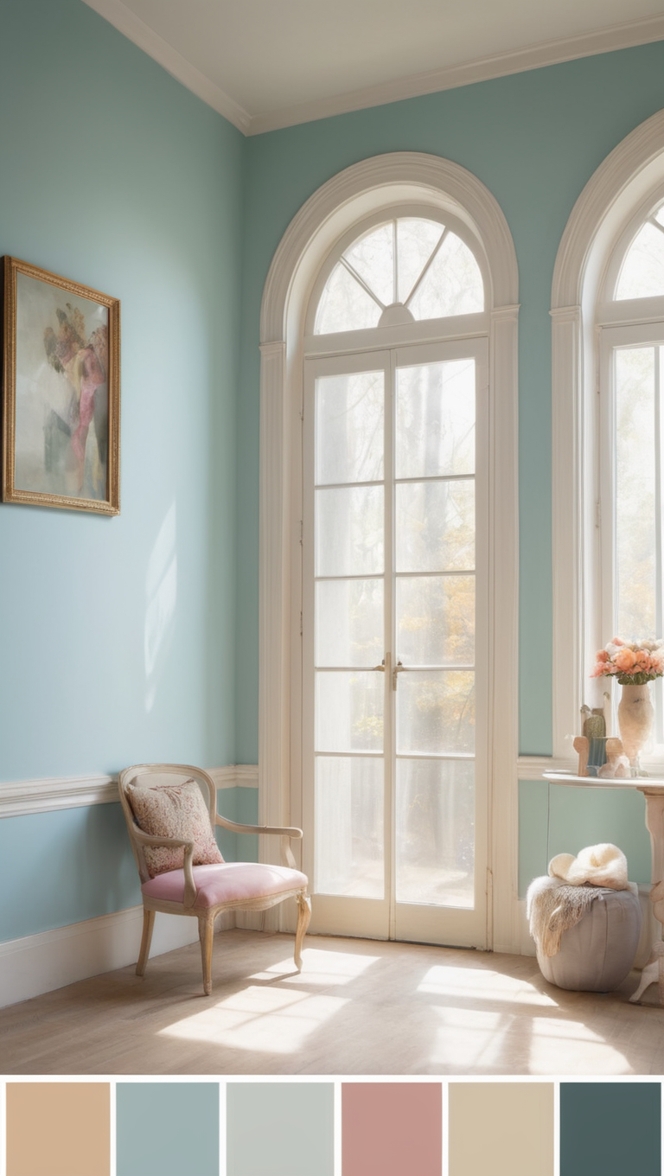
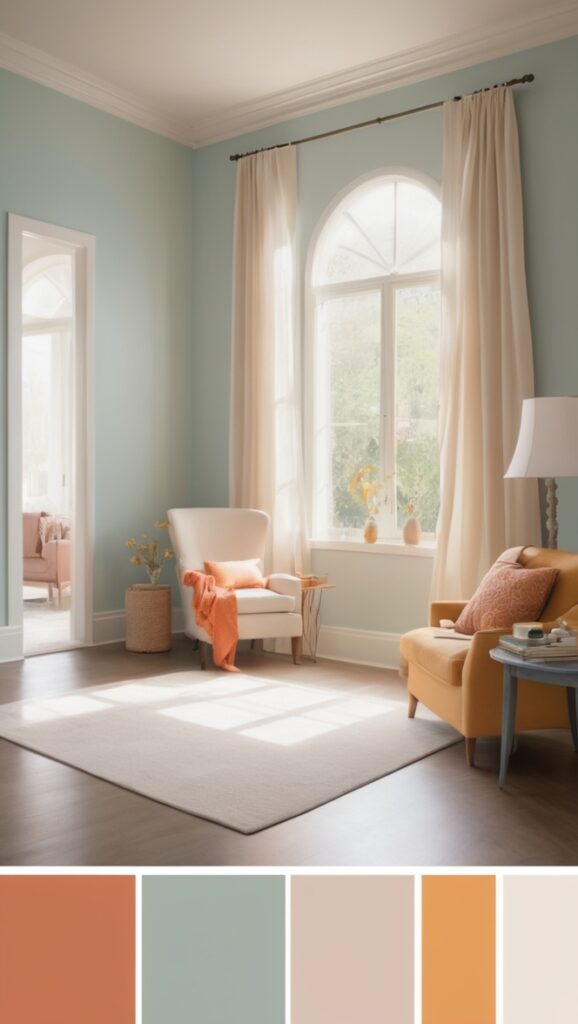
Dive into popular film color schemes and cinematic color theory to uncover the magic of screen color palettes.
Disclosure: This post contains affiliate links. We may earn a commission at no extra cost to you.
What are the most popular colors in the cinema color palette?
cinema color palette
The cinema color palette typically incorporates a wide range of colors, including deep blues, rich reds, and dark greens. These colors are often chosen to create mood and atmosphere in films, enhancing the viewer’s emotional response to the story. As a homeowner looking to bring the cinema color palette into your decor, consider using these colors in accent walls, upholstery, and accessories to evoke a cinematic feel in your living space.
What are the most popular colors in the cinema color palette?
What are the most commonly used colors in movies?
As a homeowner and avid movie enthusiast, I have noticed that certain colors tend to dominate the cinema color palette. From vibrant reds to calming blues, filmmakers use a wide range of colors to evoke different emotions and set the tone for their films. Colors like red and black are often used in horror movies to create a sense of fear and suspense, while softer pastel shades are common in romantic comedies to convey a sense of warmth and intimacy.
How do colors impact the mood and tone of a film?
Colors play a crucial role in shaping the mood and tone of a film. For example, warm colors like red and orange can create a feeling of excitement and energy, while cool colors like blue and green are often used to evoke a sense of calm and tranquility. By strategically using colors in different scenes, filmmakers can enhance the emotional impact of their films and guide the audience’s interpretation of the story.
Are there specific colors that are associated with certain genres of movies?
Yes, certain colors are often associated with specific genres of movies. For instance, dark, moody colors like black and grey are commonly used in film noir to create a sense of mystery and intrigue. In contrast, bright, vibrant colors are often seen in animated films to appeal to younger audiences and create a sense of whimsy and fantasy.
Do filmmakers use color palettes to convey specific themes or messages?
Filmmakers frequently use color palettes to convey specific themes or messages in their films. For example, a film with a predominantly red color scheme may symbolize passion, love, or danger, while a film with a blue color palette may represent sadness, coldness, or loneliness. By carefully selecting and combining colors, filmmakers can communicate subtle nuances and enhance the overall storytelling experience.
How have advancements in technology influenced the use of color in cinema?
Advancements in technology have revolutionized the way colors are used in cinema. With the advent of digital filmmaking and computer-generated imagery (CGI), filmmakers now have a wider range of colors and visual effects at their disposal. This has allowed for more intricate and visually stunning color compositions, leading to a richer and more immersive viewing experience for audiences.
Are there cultural differences in the use of color in movies?
Yes, there are cultural differences in the use of color in movies. Different cultures have varying associations and meanings attached to certain colors, which can influence how colors are used in films. For example, in some cultures, white may symbolize purity and innocence, while in others, it may represent death and mourning. Filmmakers must be mindful of these cultural nuances when selecting colors for their films to ensure they resonate with diverse audiences.
Can color choices in films affect the audience’s emotional response?
Absolutely, color choices in films can have a profound impact on the audience’s emotional response. Colors have the power to evoke specific emotions and create a connection with the audience on a subconscious level. For example, warm colors like yellow and orange can evoke feelings of happiness and optimism, while cool colors like purple and grey may elicit a sense of melancholy or mystery. By strategically using colors to evoke certain emotions, filmmakers can enhance the audience’s viewing experience and leave a lasting impression.
In conclusion, the use of color in cinema is a powerful tool that filmmakers leverage to shape the mood, tone, and emotional impact of their films. Through strategic color choices and thoughtful color palettes, filmmakers can convey specific themes, messages, and cultural nuances that resonate with audiences worldwide. As a homeowner who appreciates the artistry of filmmaking, I am constantly inspired by the creative and impactful use of color in movies, and I look forward to experiencing how future advancements in technology will continue to influence the cinematic color palette.
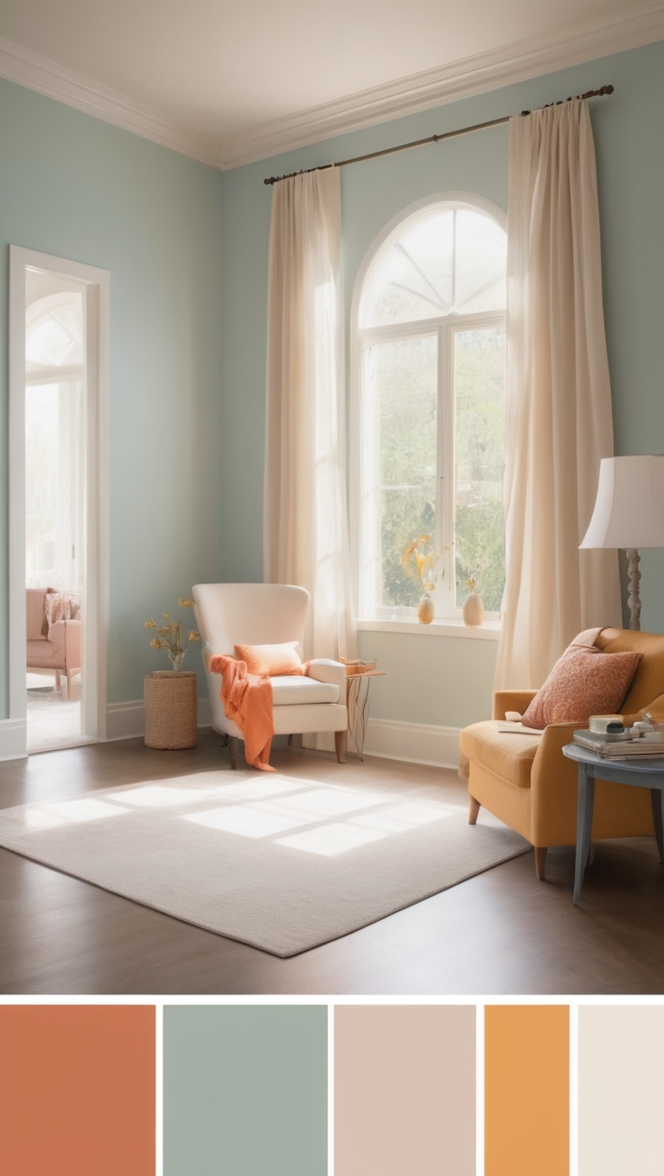
When it comes to creating a cinema-inspired color palette in your home decor, there are a multitude of options to choose from. Drawing inspiration from the vibrant and rich colors often seen on the big screen, you can infuse your living space with the same cinematic flair. Below are 12 unique ideas for incorporating popular cinema colors into your home:
1. Midnight Blue: Capture the essence of a starry night sky by painting an accent wall in a deep midnight blue shade like Sherwin-Williams’ “In the Navy.”
2. Ruby Red: Add a touch of drama and passion to your space with a bold ruby red hue such as Benjamin Moore’s “Caliente.”
3. Forest Green: Create a sense of tranquility and nature-inspired beauty with a rich forest green like Farrow & Ball’s “Studio Green.”
4. Goldenrod Yellow: Infuse your room with warmth and energy by incorporating a goldenrod yellow tone like Behr’s “Honey Curry.”
5. Slate Gray: Achieve a sleek and modern look with a sophisticated slate gray color such as Dunn-Edwards’ “Silver Setting.”
6. Burgundy: Embrace luxury and sophistication with a deep burgundy shade like Valspar’s “Marsala Red.”
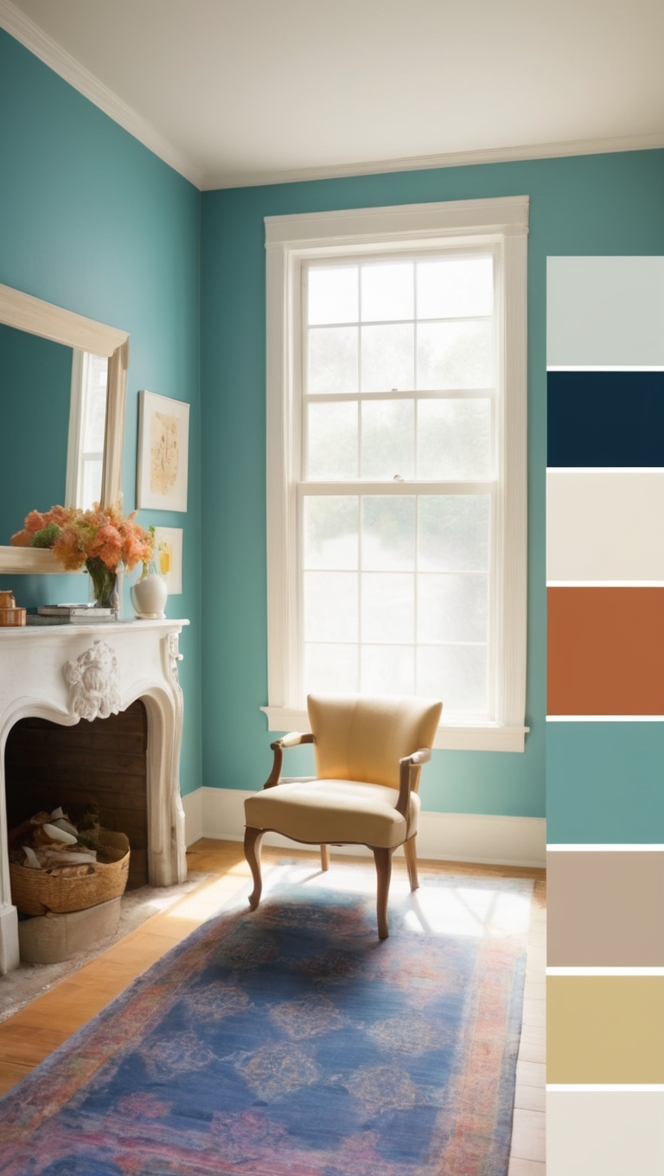
7. Teal: Bring a pop of color and vibrancy to your space with a playful teal hue like Benjamin Moore’s “Calypso Blue.”
8. Charcoal: Add depth and richness to your decor with a dark charcoal color like Sherwin-Williams’ “Peppercorn.”
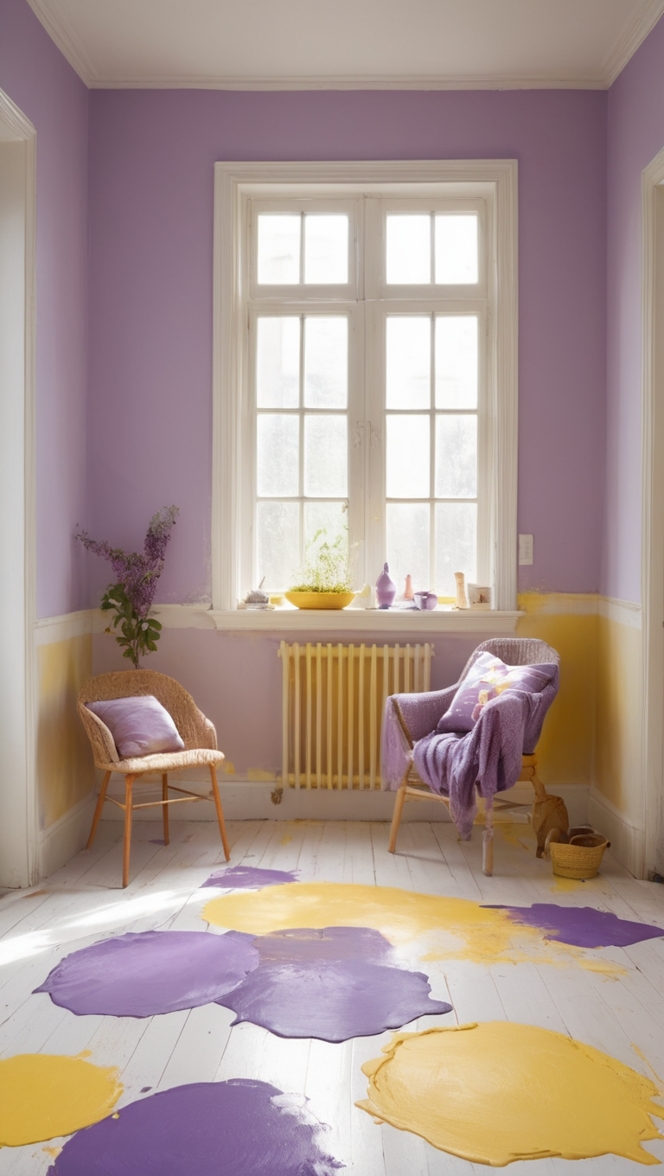
9. Lavender: Create a calming and serene atmosphere with a soft lavender shade such as Behr’s “Lilac Mist.”
10. Mustard Yellow: Add a touch of retro charm and personality with a mustard yellow tone like Farrow & Ball’s “India Yellow.”
11. Navy Blue: Achieve a classic and timeless look with a deep navy blue color like Benjamin Moore’s “Hale Navy.”
12. Terracotta: Infuse your space with warmth and earthy tones by incorporating a terracotta shade like Sherwin-Williams’ “Cavern Clay.”
By incorporating these popular cinema colors into your home decor, you can create a space that is visually striking, emotionally evocative, and truly unique. Whether you choose to paint an accent wall, update your furniture upholstery, or add decorative accessories in these colors, you can bring the magic of the cinema into your own home. Embrace the power of color and transform your living space into a cinematic masterpiece.