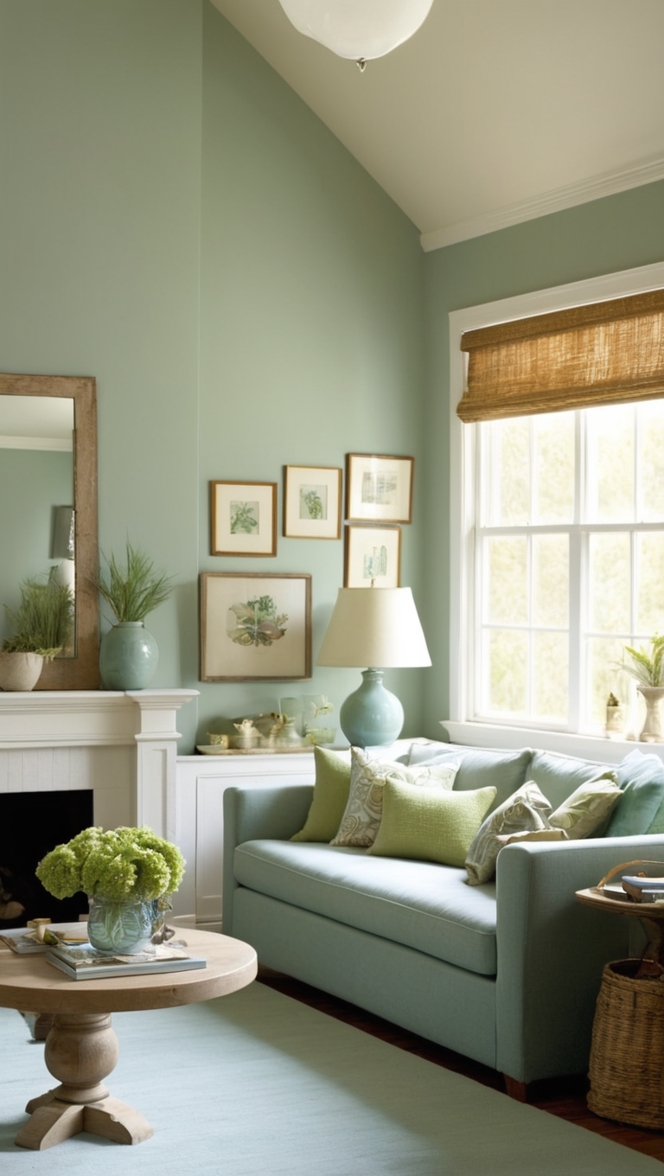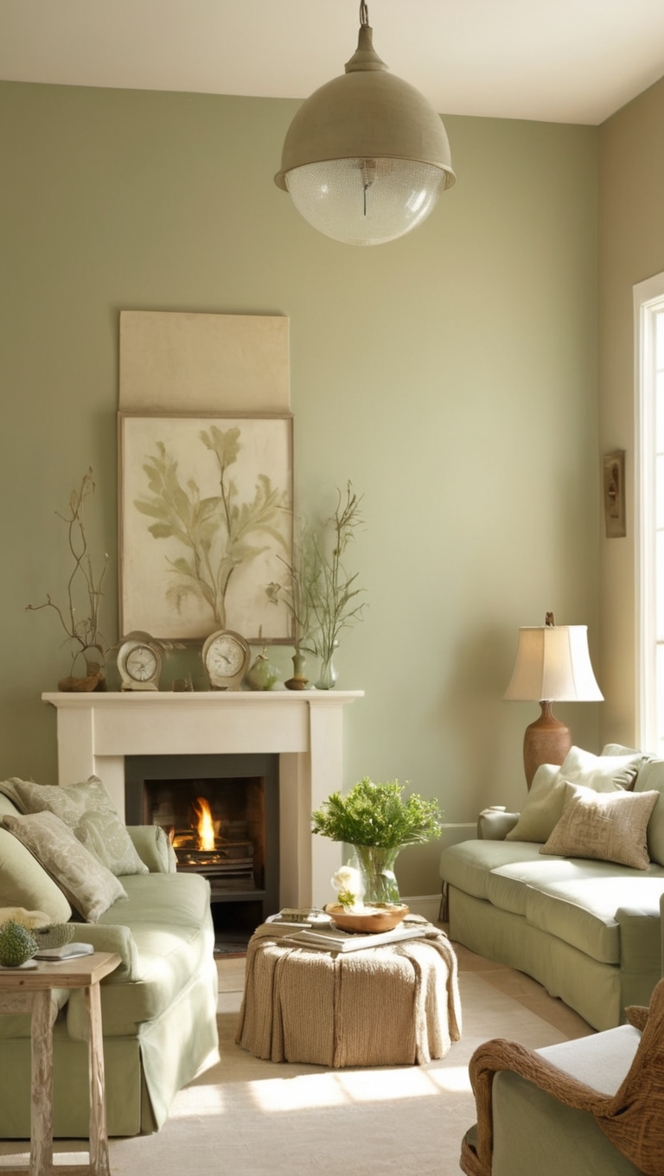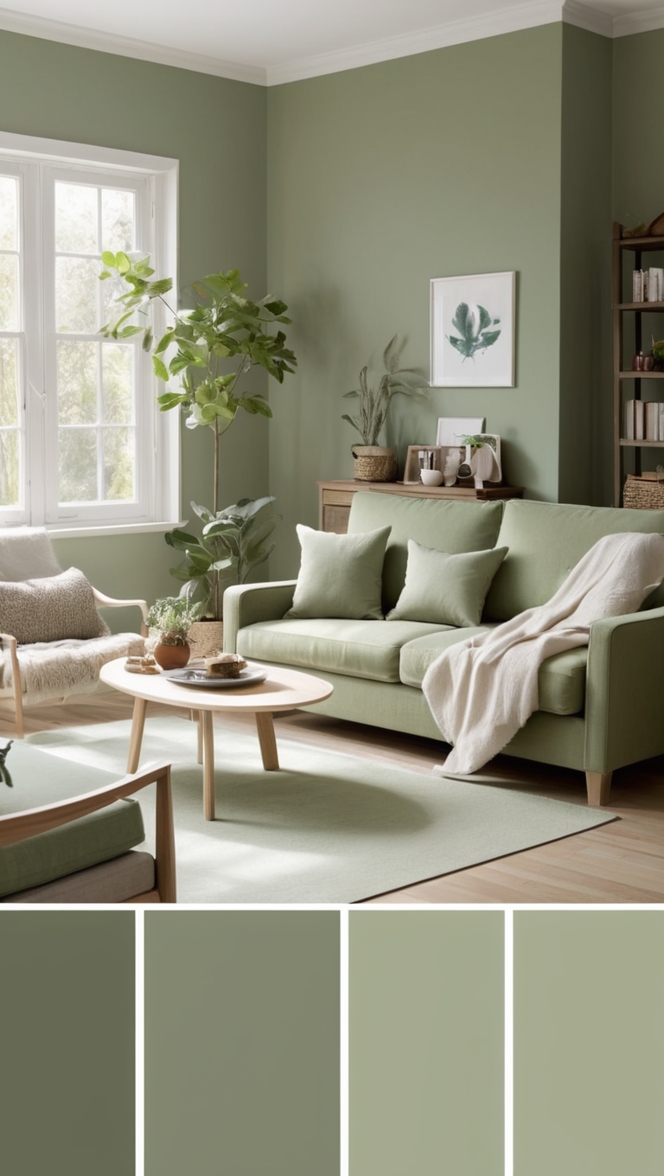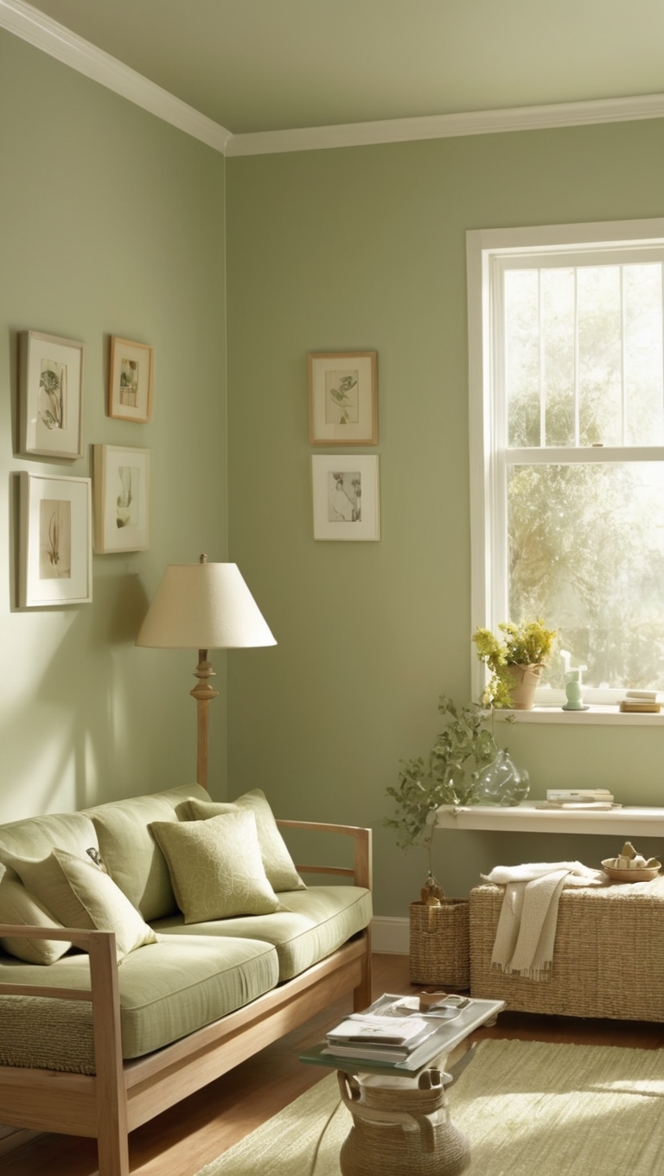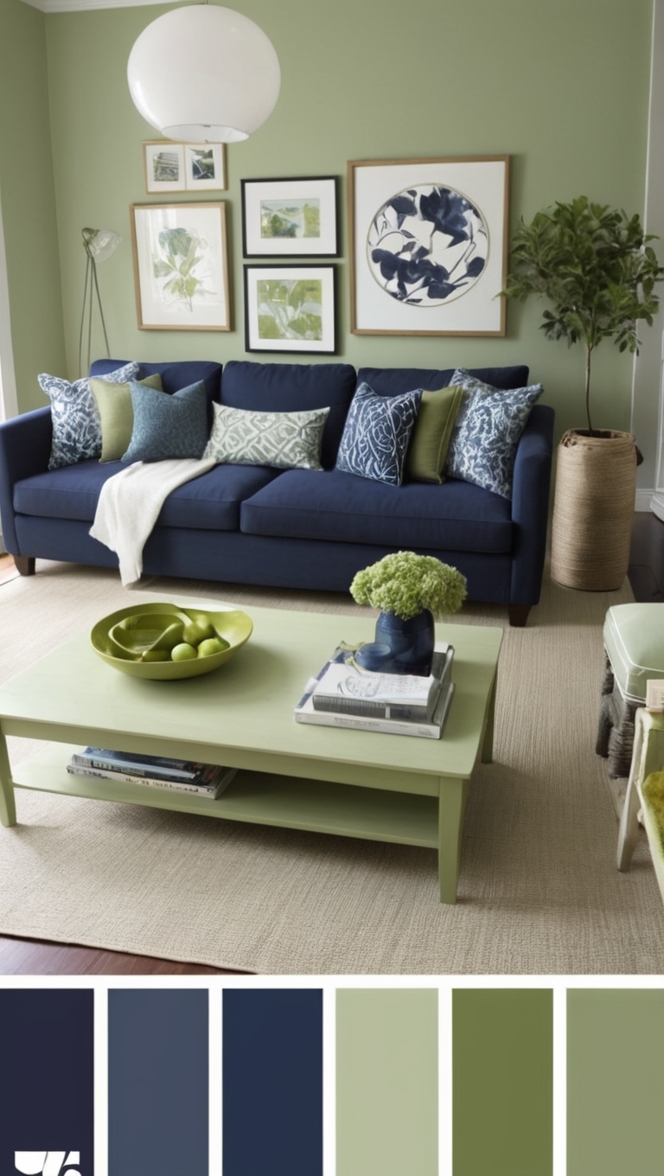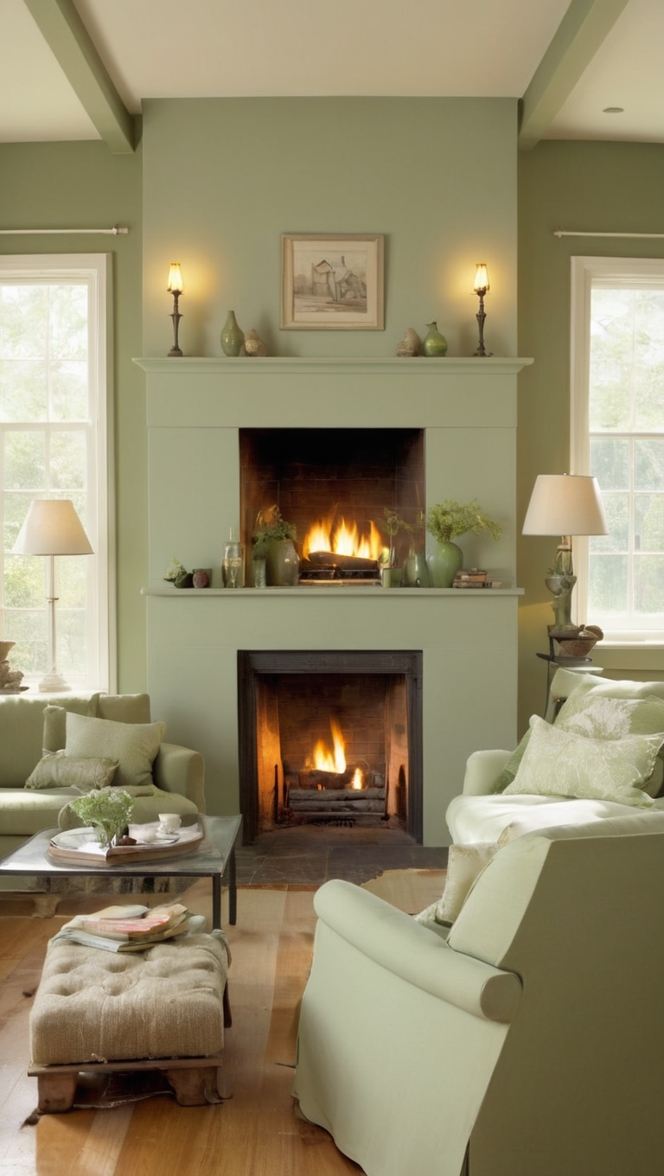
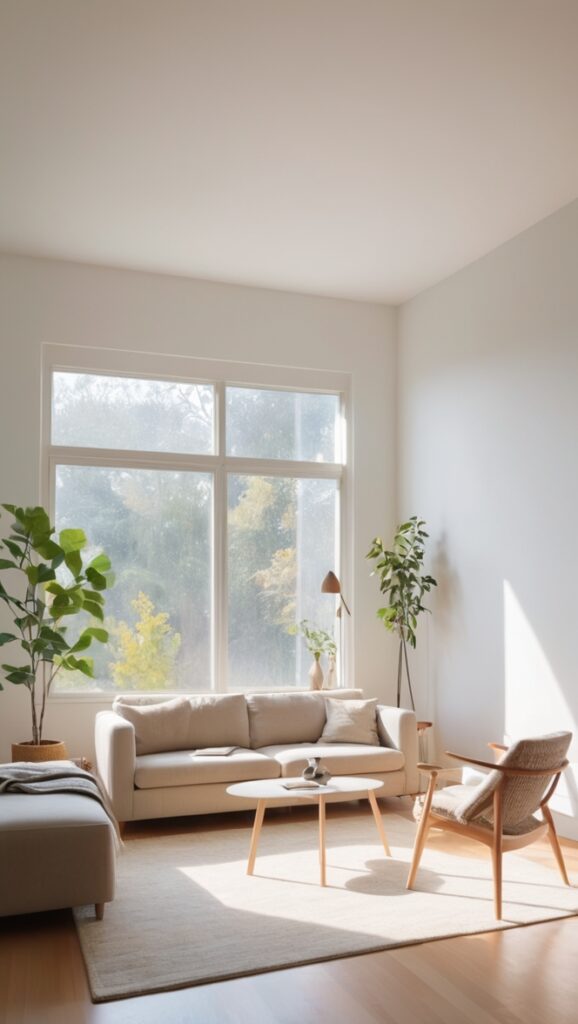
Looking to create a minimalist living room? Discover tips for achieving a modern, Scandinavian, and elegant design.
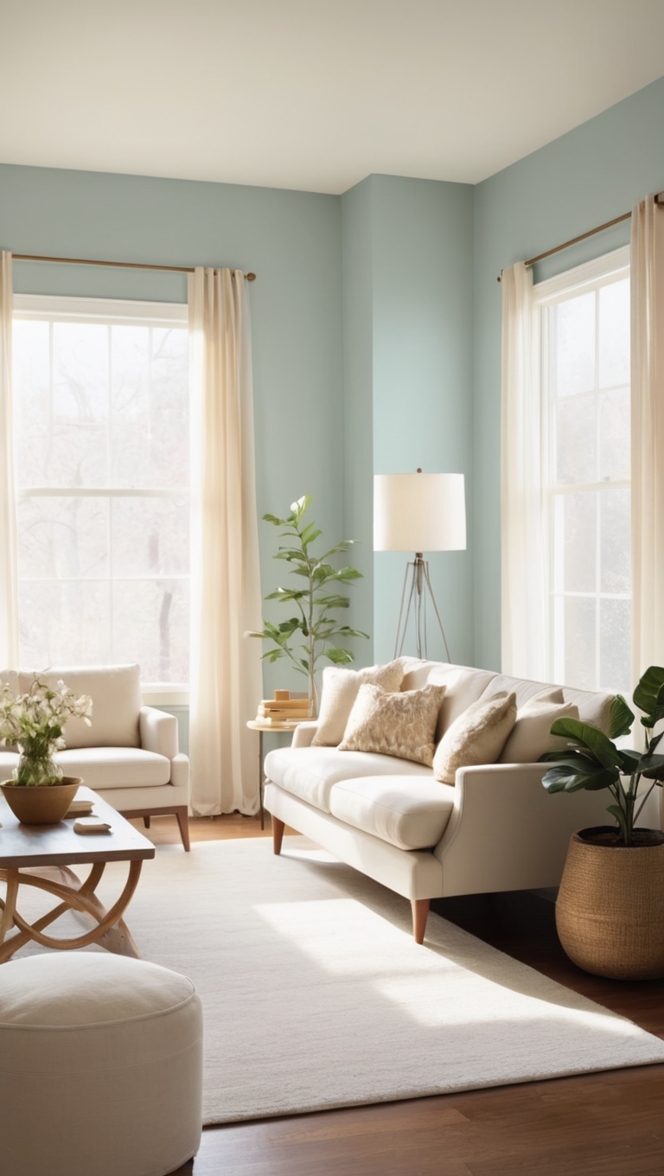
Disclosure: This post contains affiliate links. We may earn a commission at no extra cost to you.
What are the best tips for achieving a minimalist living room aesthetic?
living room aesthetic minimalist
As a homeowner looking to achieve a minimalist living room aesthetic, consider decluttering your space by getting rid of unnecessary items and keeping only the essentials. Opt for furniture with clean lines and neutral colors to create a serene atmosphere. Incorporate plenty of natural light and use functional storage solutions to maintain organization. Embrace simplicity and prioritize quality over quantity. By following these steps, you can create a calming and stylish minimalist living room.
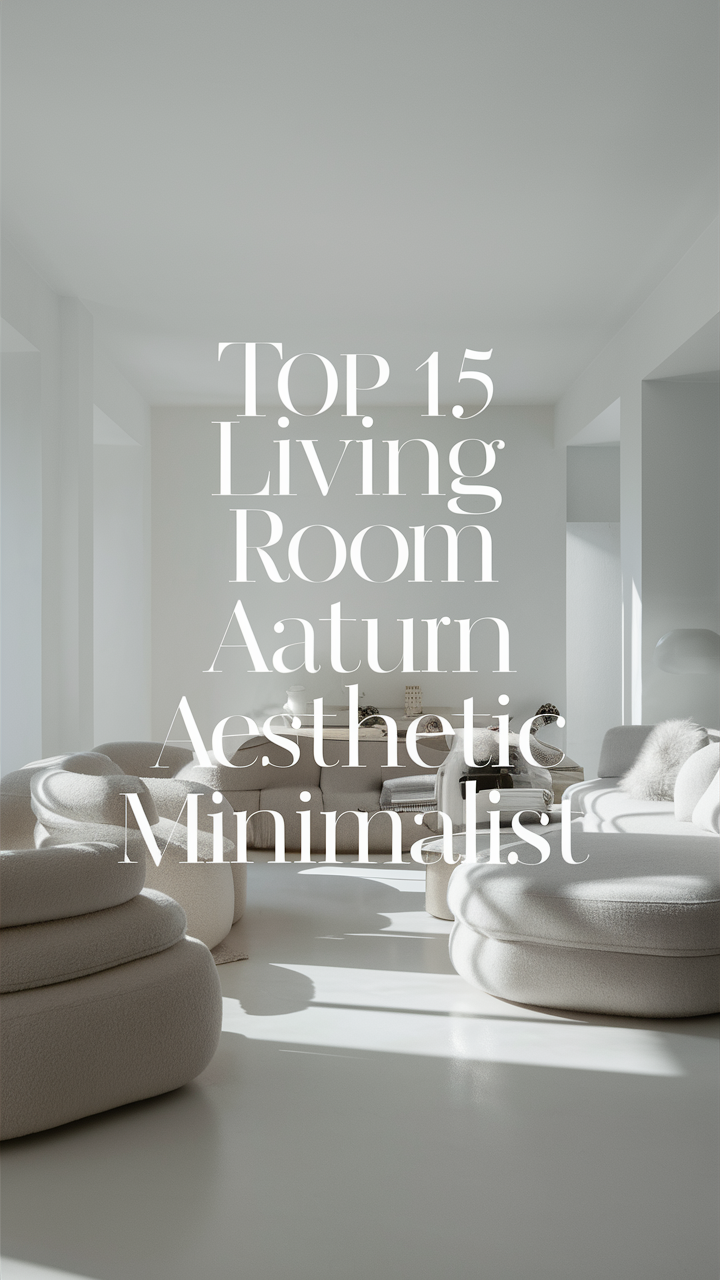
What are the best tips for achieving a minimalist living room aesthetic?
As a homeowner who has always been drawn to the simplicity and elegance of minimalist design, I have experimented with various tips and techniques to create a minimalist living room aesthetic that is both functional and visually appealing. Here are some of the best tips that I have found to be effective in achieving a minimalist look in the living room:
1. How can I declutter my living room to achieve a minimalist look?
One of the key principles of minimalist design is decluttering. Start by going through all the items in your living room and only keep the essentials. Get rid of any unnecessary decorations, furniture, or knick-knacks that don’t serve a purpose. Invest in storage solutions like hidden cabinets or multi-functional furniture to keep the space organized and clutter-free.
2. What color palette works best for a minimalist living room?
Opt for a neutral color palette with shades of white, beige, gray, or black. These colors create a sense of calm and simplicity in the space. You can add pops of color through accent pillows, rugs, or artwork, but keep the overall color scheme minimal to maintain a cohesive look.
3. What furniture pieces are essential for a minimalist living room?
Choose furniture with clean lines and simple designs. Opt for pieces that serve a functional purpose and avoid bulky or ornate furniture. A comfortable sofa, a sleek coffee table, and minimalistic shelving units are essential for a minimalist living room. Consider investing in quality pieces that will stand the test of time.
4. How can I incorporate natural elements into a minimalist living room?
Bring in natural elements like wood, plants, or stone to add warmth and texture to the space. Consider adding a wooden coffee table, a few potted plants, or a stone accent wall to create a connection to nature. These elements can help soften the minimalist aesthetic and make the space feel more inviting.
5. What lighting options are ideal for enhancing a minimalist living room?
Opt for soft, diffused lighting to create a warm and inviting atmosphere in a minimalist living room. Use a combination of overhead lighting, floor lamps, and task lighting to illuminate the space evenly. Consider installing dimmer switches to adjust the light levels based on the time of day and mood.
6. How can I create a sense of spaciousness in a minimalist living room?
Maximize the use of space by keeping furniture to a minimum and ensuring adequate circulation paths. Choose furniture that is proportionate to the size of the room and avoid overcrowding the space. Use mirrors strategically to reflect light and create the illusion of a larger space.
7. What are some tips for maintaining a minimalist living room aesthetic over time?
Regularly assess the items in your living room and declutter as needed. Avoid impulse purchases and only bring in new items that serve a purpose or add value to the space. Establish a cleaning and organizing routine to keep the space looking tidy and well-maintained. Remember that less is more in a minimalist living room, so prioritize quality over quantity.
By following these tips and incorporating your personal style preferences, you can create a minimalist living room aesthetic that reflects your taste and promotes a sense of peace and tranquility in your home. Experiment with different elements and layouts to find what works best for your space, and enjoy the process of curating a living room that is both functional and beautiful.
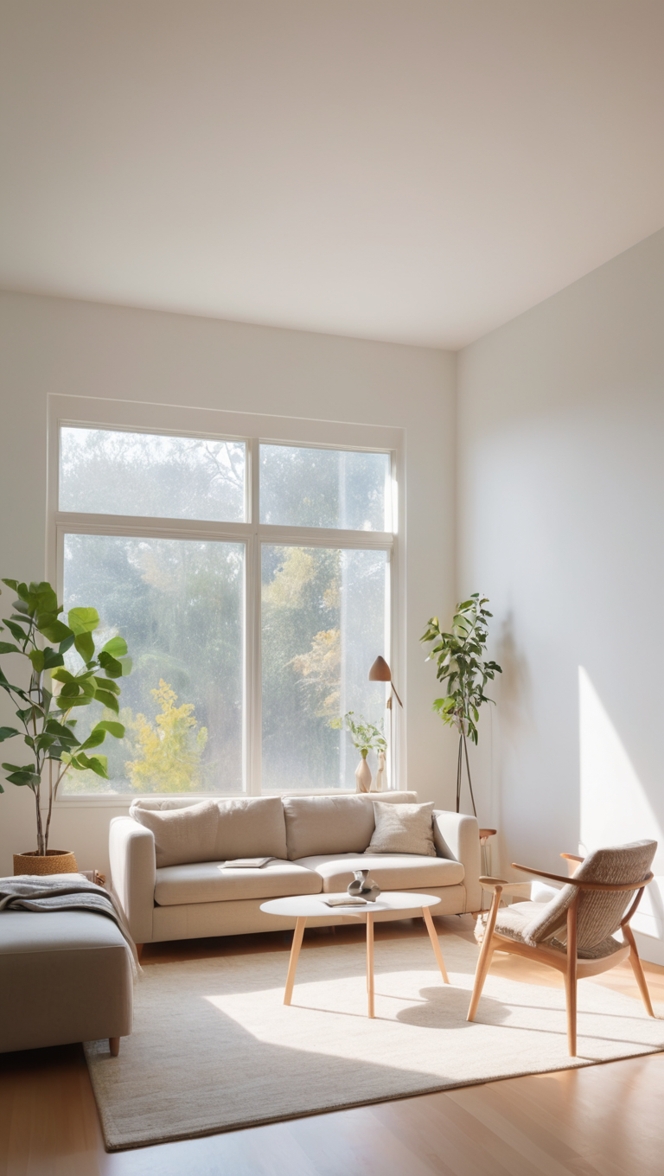
Creating a minimalist living room aesthetic involves focusing on simplicity, functionality, and quality. Here are some tips to help you achieve this style in your living space:
1. Declutter Your Space: Start by removing unnecessary items and clutter from your living room. Keep only the essentials and create a clean, open space.
2. Choose Neutral Colors: Opt for furniture and decor in neutral colors such as white, beige, or grey. These colors create a calming and cohesive look in a minimalist room.
3. Embrace Clean Lines: Select furniture with clean, simple lines and minimalistic designs. Avoid ornate or overly decorative pieces that can disrupt the minimalist aesthetic.
4. Incorporate Natural Elements: Bring nature indoors by adding plants or natural materials like wood and stone. These elements add warmth and texture to a minimalist space.
5. Maximize Natural Light: Make the most of natural light in your living room by keeping windows clear and using light, airy curtains. Natural light enhances the minimalist feel of a room.
6. Use Functional Storage Solutions: Keep your space organized and clutter-free with smart storage solutions. Opt for furniture with built-in storage or add discreet storage baskets and bins.
7. Focus on Quality Over Quantity: Invest in high-quality furniture and decor pieces that will stand the test of time. Choose pieces that are well-made and durable for a minimalist room.
8. Limit Decor Items: Avoid overcrowding your living room with too many decorative items. Select a few key pieces that enhance the minimalist style without overwhelming the space.
9. Create a Zen Atmosphere: Incorporate elements that promote relaxation and tranquility, such as soft textiles, cozy throws, and soothing lighting.
10. Define Your Space: Use area rugs or furniture placement to define different zones in your living room, such as a seating area or reading nook.
11. Add Personal Touches: While keeping the space minimal, don’t forget to add personal touches like family photos or meaningful artwork to make the space feel like home.
12. Regularly Edit and Refresh: Keep your minimalist living room fresh by regularly editing and updating your decor. Remove items that no longer serve a purpose and refresh the space with new pieces.
By following these tips, you can create a stylish and serene minimalist living room that reflects your personal style and promotes a sense of calm and balance.