Curious about what makes Japanese home entrances stand out? Explore the essence of Japanese interior decor and architecture in Kyoto.
Disclosure: This post contains affiliate links. We may earn a commission at no extra cost to you.
What makes Japanese home entrances unique?
Answer: Japanese home entrances typically feature genkan, a sunken entryway where you remove your shoes before stepping up into the house. This design keeps the living areas clean and promotes a sense of respect for the home. Consider incorporating a genkan or a shoe-free policy in your own home to maintain cleanliness and create a welcoming atmosphere. Make sure to provide a designated area for shoe storage near the entrance.
Ensure to follow cultural norms and etiquette if considering adopting a shoe-free policy in your home.
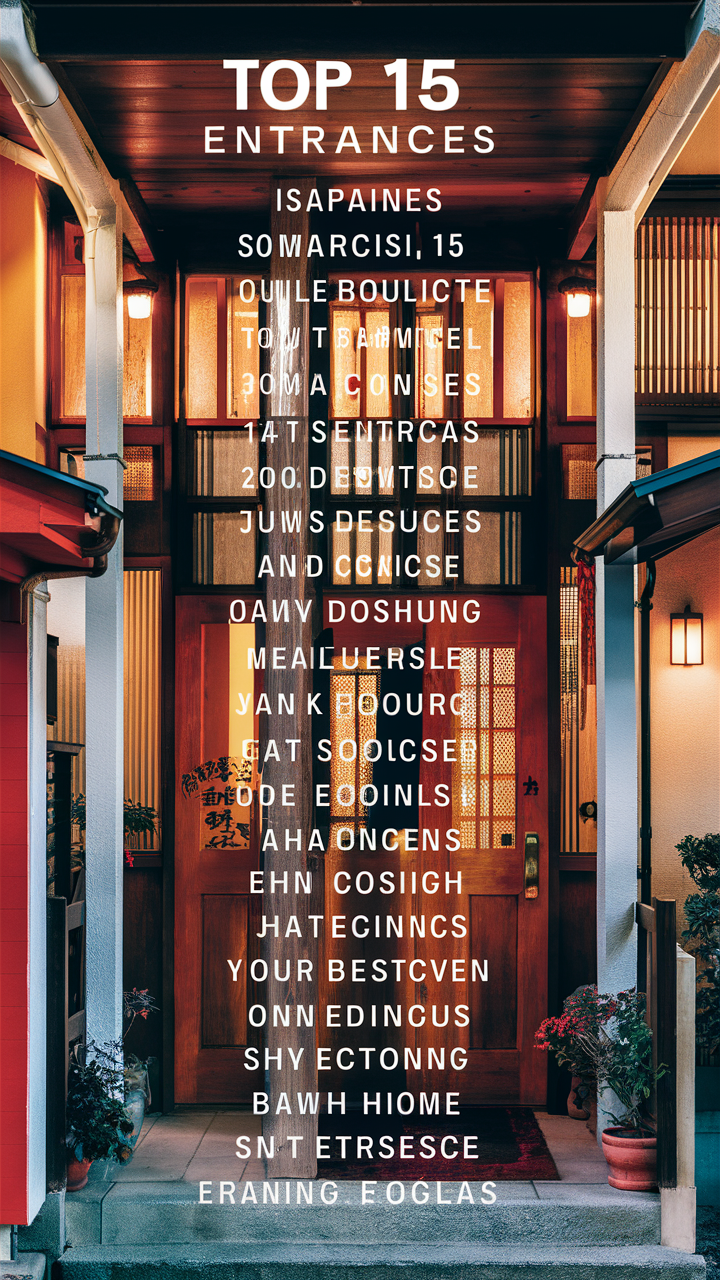
Japanese home entrances are indeed unique and hold a special place in Japanese culture. As a homeowner who has experienced living in a traditional Japanese house, I can attest to the significance and functionality of these entrances. Let’s delve into the details of what makes Japanese home entrances stand out.
### How do Japanese home entrances differ from Western-style entrances?
Japanese home entrances, known as genkan, serve as a transitional space between the outside world and the inner sanctum of the house. Unlike Western-style entrances that often lead directly into the living room or hallway, genkan are sunken areas located at the entrance of the house. This design allows residents and guests to remove their shoes before stepping onto the tatami or wooden floors inside, maintaining cleanliness and hygiene within the home.
### What role do genkan play in Japanese home entrances?
Genkan serve multiple purposes beyond just a shoe removal area. They also act as a storage space for shoes, umbrellas, and other outdoor items. In traditional Japanese homes, genkan are equipped with shoe cabinets or racks to neatly organize footwear. Additionally, genkan are considered a barrier between the outside world and the home, symbolizing a separation of public and private spaces.
### Why are Japanese home entrances often lower than the rest of the house?
The sunken design of genkan is not only practical but also holds cultural significance. By stepping down into the genkan, residents and guests physically lower themselves in a gesture of respect towards the home and its inhabitants. This act of humility is deeply rooted in Japanese customs and reflects the importance of etiquette and politeness in Japanese society.
### What traditional elements are commonly found in Japanese home entrances?
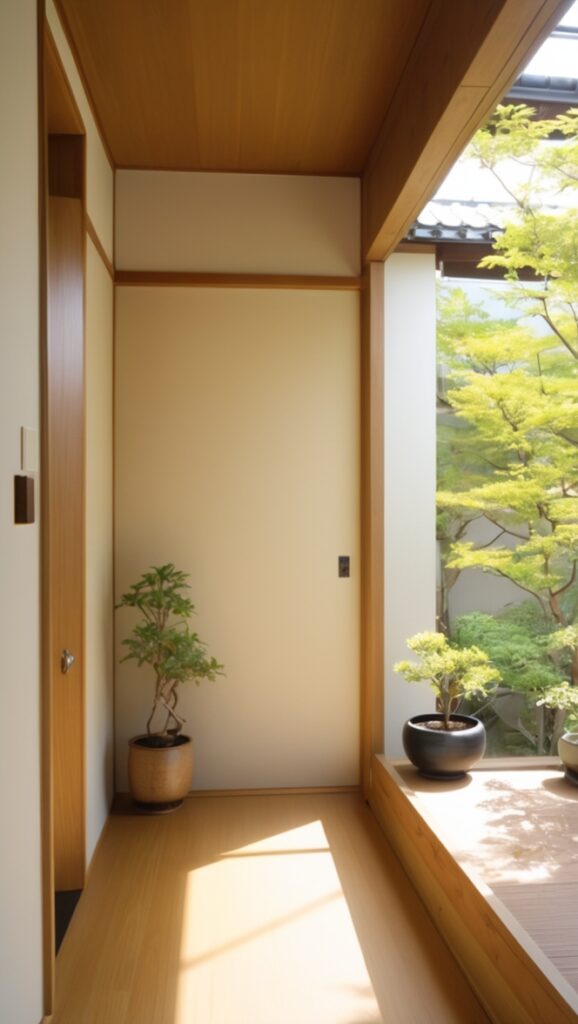
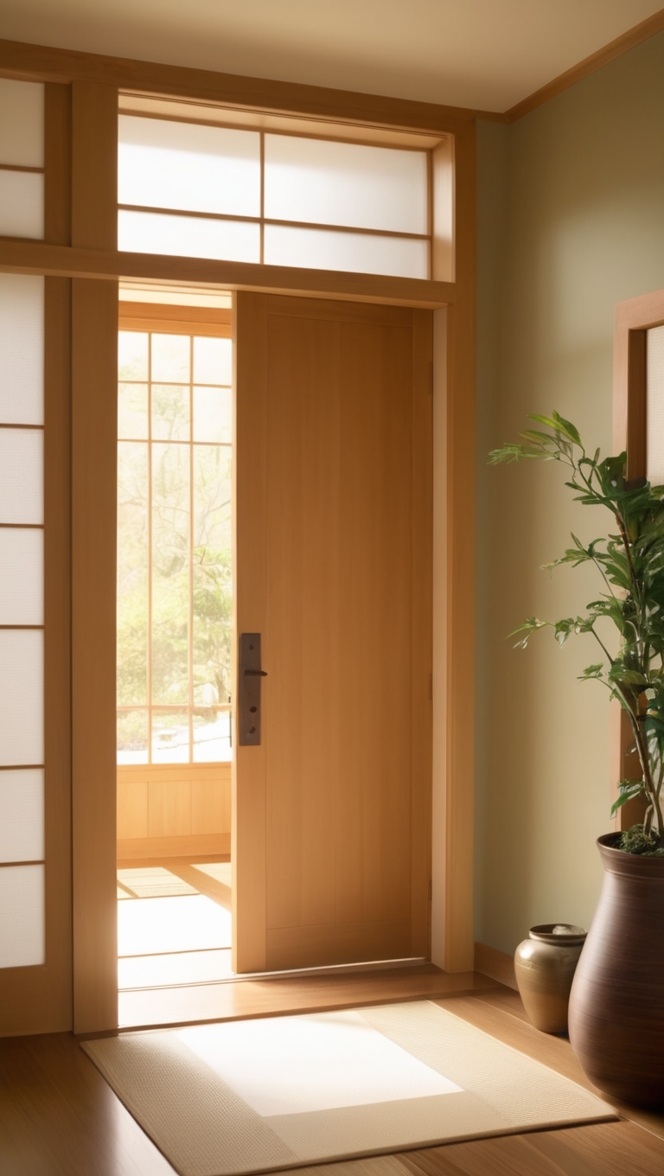
Japanese home entrances often feature traditional elements such as shoji screens, sliding doors, and decorative alcoves known as tokonoma. These elements add a touch of elegance and simplicity to the entrance area, creating a serene and welcoming atmosphere. The use of natural materials like wood and paper also enhances the connection to nature, a fundamental aspect of Japanese aesthetics.
### How do Japanese home entrances promote cleanliness and organization?
The layout and design of Japanese home entrances are meticulously planned to promote cleanliness and organization. By having a designated space for removing shoes and storing outdoor items, genkan help keep the rest of the house free from dirt and clutter. The emphasis on cleanliness reflects the Japanese value of maintaining a harmonious and orderly living environment.
### Are there cultural or symbolic meanings behind Japanese home entrances?
Japanese home entrances hold cultural and symbolic meanings that go beyond their practical function. The act of removing shoes before entering the house symbolizes leaving the outside world behind and entering a sacred space. Genkan also serve as a physical reminder of the boundary between the public and private spheres, reinforcing the concept of uchi-soto, or inside-outside relationships in Japanese society.
### How do Japanese home entrances reflect the concept of “uchi-soto” in Japanese society?
The design of Japanese home entrances embodies the concept of uchi-soto, which refers to the distinction between inside and outside relationships. Genkan act as a literal and metaphorical boundary between the public realm (soto) and the private realm (uchi), reinforcing social hierarchies and maintaining propriety in interactions. The respect for boundaries and the importance of etiquette are deeply ingrained in Japanese culture, and home entrances play a role in upholding these values.
In conclusion, Japanese home entrances are more than just a practical entryway – they are a reflection of Japanese aesthetics, culture, and values. By understanding the unique features and symbolism of Japanese home entrances, we can gain a deeper appreciation for the intricate design and thoughtfulness that goes into creating a welcoming and harmonious living space. As a homeowner who has experienced the beauty of Japanese architecture firsthand, I can truly say that the entrance is the heart of the home in Japan.
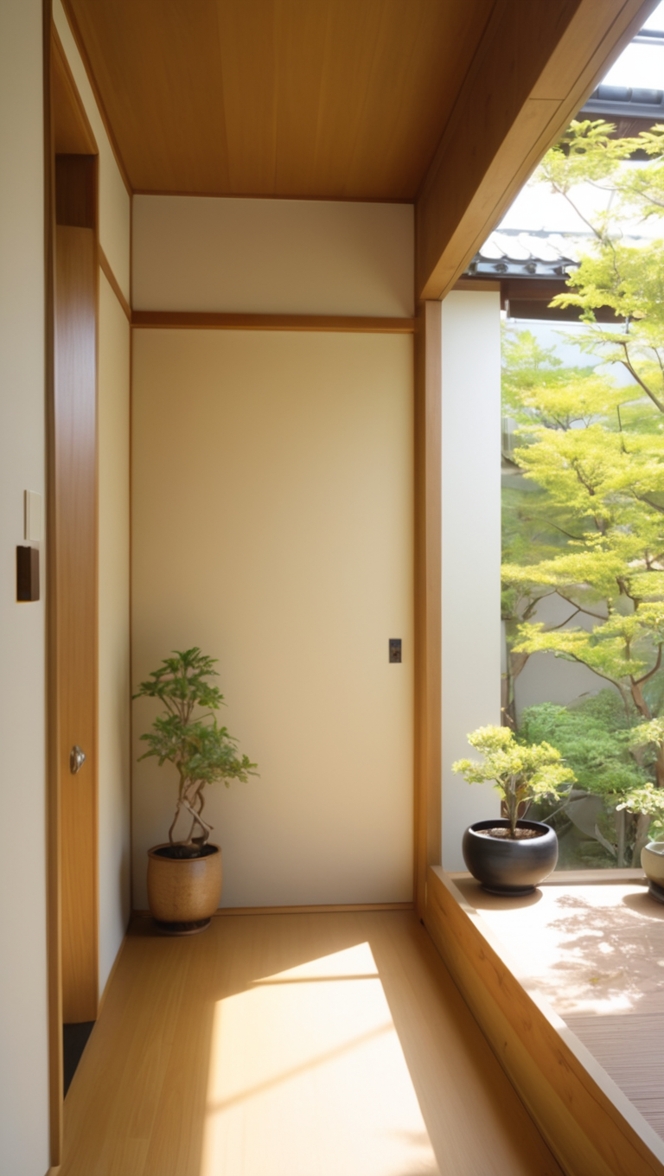
Exploring 12 Unique Japanese Home Entrance Ideas with Real Paint Colors
Japanese home entrances are known for their unique design elements that not only enhance the aesthetic appeal of the house but also serve practical purposes. From traditional genkan to modern minimalist styles, there are various ways to make your home entrance stand out. In this article, we’ll delve into 12 creative ideas inspired by Japanese architecture, accompanied by real paint colors from popular brands like Sherwin Williams and Benjamin Moore.
1. **Genkan with a Zen Twist**
– Paint Color: Sherwin Williams “Mindful Gray”
– Create a serene entryway with a genkan featuring natural wood accents and minimalist decor. Add a touch of greenery for a calming effect.
2. **Fusuma Sliding Doors**
– Paint Color: Benjamin Moore “Hale Navy”
– Incorporate traditional Japanese sliding doors to separate the entrance from the living area. Choose a deep blue hue for a sophisticated look.
3. **Tatami Mat Flooring**
– Paint Color: Sherwin Williams “Alabaster”
– Embrace the traditional Japanese flooring style with tatami mats. Pair them with a soft white wall color for a clean and elegant entrance.
4. **Shoji Screen Divider**
– Paint Color: Benjamin Moore “Simply White”
– Use shoji screens to divide the entrance from the rest of the house. Opt for a crisp white paint color to create a sense of openness.
5. **Kumiko Pattern Accent Wall**
– Paint Color: Sherwin Williams “Repose Gray”
– Add a touch of Japanese craftsmanship with a kumiko pattern accent wall. Choose a light gray shade to complement the intricate design.
6. **Engawa-Inspired Bench**
– Paint Color: Benjamin Moore “Calm”
– Install a wooden bench inspired by the engawa (veranda) for a cozy seating area in the entrance. Paint it in a soothing blue-green tone for a tranquil vibe.
7. **Tokonoma Display Niche**
– Paint Color: Sherwin Williams “Sea Salt”
– Create a tokonoma-inspired display niche to showcase art or decorative items. Paint the surrounding walls in a soft seafoam green for a harmonious look.
8. **Noren Curtain Entrance**
– Paint Color: Benjamin Moore “Gray Owl”
– Hang a noren curtain at the entrance for a touch of Japanese charm. Choose a versatile light gray hue to complement the fabric design.
9. **Ikebana-Inspired Floral Arrangement**
– Paint Color: Sherwin Williams “Aesthetic White”
– Incorporate an ikebana-inspired floral arrangement in the entrance for a touch of natural beauty. Pair it with a warm white wall color for a serene backdrop.
10. **Karesansui Zen Garden**
– Paint Color: Benjamin Moore “Edgecomb Gray”
– Create a mini karesansui (dry landscape) zen garden at the entrance. Paint the surrounding walls in a soft greige shade to complement the peaceful atmosphere.
11. **Fusuma Art Panel**
– Paint Color: Sherwin Williams “Tricorn Black”
– Install a fusuma art panel featuring a black-and-white design for a modern touch. Paint the surrounding walls in a bold black hue for a striking contrast.
12. **Tsukubai Water Basin**
– Paint Color: Benjamin Moore “Palladian Blue”
– Incorporate a tsukubai water basin at the entrance for a symbolic cleansing ritual. Paint the surrounding walls in a soothing blue tone for a tranquil ambiance.
By incorporating these unique Japanese home entrance ideas with real paint colors, you can create a welcoming and stylish entryway that reflects the beauty and tranquility of Japanese design. Experiment with different elements to find the perfect combination that suits your personal style and enhances the overall aesthetic of your home.