Explore logo color trends and how to create a captivating logo using a color scheme that fits your brand.
Disclosure: This post contains affiliate links. We may earn a commission at no extra cost to you.
Color palette logos are designed by selecting a range of colors that work well together and represent the brand effectively. As a home owner looking to create a logo for your home decor ideas, consider using a color palette that reflects your style and aesthetic. Benefits of using a color palette include creating a cohesive and visually appealing logo. To design a captivating logo, start by choosing a main color and then selecting complementary colors to enhance the overall design. Be organized by creating a mood board to gather inspiration and ensuring consistency in your color choices.
How can I design a captivating logo using a color palette?
As a homeowner who loves to experiment with design, creating a captivating logo using a color palette can be a fun and rewarding challenge. Whether you’re designing a logo for your personal brand or a small business, the right color palette can make a significant impact on how your logo is perceived and remembered.
When it comes to choosing colors for your logo, it’s essential to consider the emotions and associations that different colors evoke. For example, warm colors like red and orange can convey energy and passion, while cool colors like blue and green can represent tranquility and trustworthiness. By understanding the psychological effects of colors, you can select a palette that resonates with your brand’s values and message.
Experimenting with different color combinations is key to creating a visually appealing logo. Consider using complementary colors (opposite on the color wheel) for a striking contrast, or analogous colors (next to each other on the color wheel) for a harmonious look. You can also play with color gradients or shades to add depth and dimension to your logo design.
It’s essential to keep in mind that cultural and psychological associations of colors can vary across different regions and demographics. For example, while white may symbolize purity and cleanliness in Western cultures, it can signify mourning in some Asian cultures. By researching the cultural significance of colors, you can ensure that your logo resonates with your target audience.
Color psychology plays a significant role in influencing consumer behavior through logo design. Studies have shown that certain colors can evoke specific emotions and influence purchasing decisions. For example, red is often used to create a sense of urgency, while green is associated with health and wellness. By understanding the psychology of colors, you can create a logo that not only looks appealing but also resonates with your target customers.
When designing a logo, it’s crucial to consider how colors will appear across different mediums, such as print, digital, and merchandise. Make sure to test your logo in various color formats to ensure that it remains consistent and recognizable across different platforms.
In conclusion, designing a captivating logo using a color palette requires a balance of creativity, strategy, and research. By exploring different color combinations, understanding color psychology, and considering cultural associations, you can create a logo that truly stands out and represents your brand effectively.
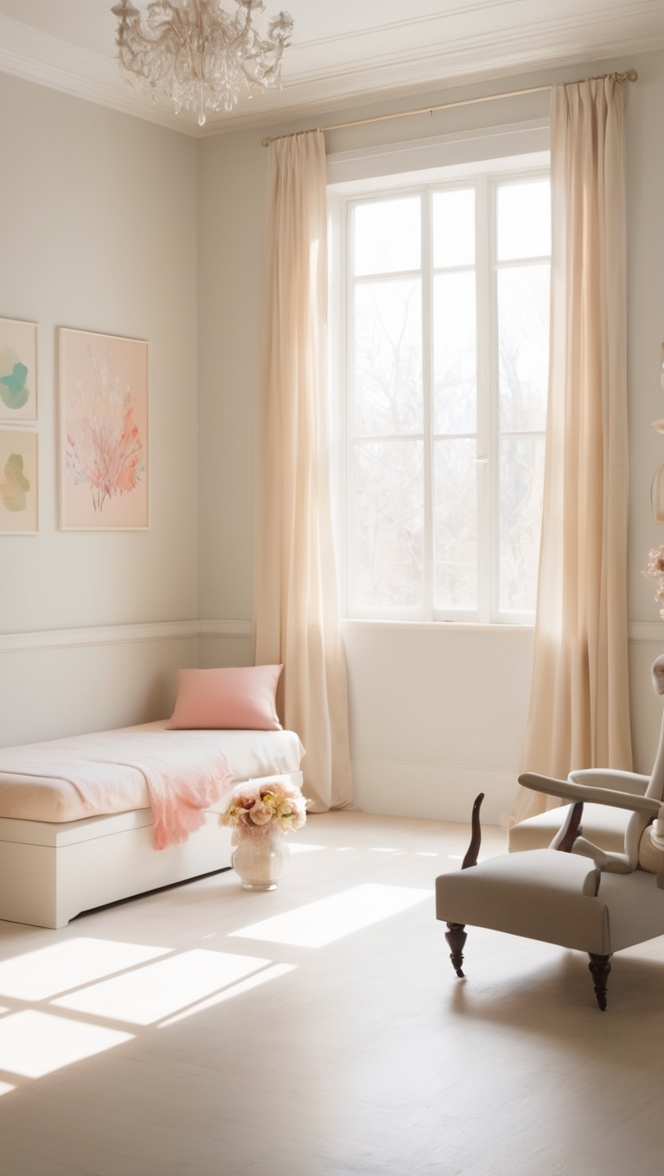
Creating a Color Palette Logo for Your Home Decor Ideas
Are you a homeowner looking to design a logo for your home decor ideas? One of the key elements in creating a visually appealing and cohesive logo is selecting the right color palette. By choosing a range of colors that work well together and represent your brand effectively, you can create a logo that truly reflects your style and aesthetic.
When designing a color palette logo, start by selecting a main color that will be the focal point of your design. This color should be reflective of the mood and personality you want to convey through your logo. Once you have chosen your main color, you can then select complementary colors to enhance the overall look of your design.
To ensure consistency and cohesiveness in your color choices, it can be helpful to create a mood board. A mood board is a visual representation of your design ideas, including color swatches, images, and other elements that inspire you. By gathering all of your inspiration in one place, you can easily see how your color choices work together and make adjustments as needed.
When selecting colors for your logo, consider the psychology of color and how different colors can evoke different emotions and feelings. For example, blue is often associated with trust and reliability, while yellow is often seen as energetic and optimistic. By choosing colors that align with the message you want to convey, you can create a logo that resonates with your target audience.
In addition to selecting colors that align with your brand and messaging, it’s also important to consider the practical aspects of color selection. Make sure that the colors you choose are legible and work well together in various applications, such as print and digital media. You may also want to consider how your color palette will look in different contexts, such as on a website or social media profile.
To create a truly captivating color palette logo, think outside the box and consider using unexpected color combinations. Experiment with different shades and tones to create a unique and eye-catching design that sets your brand apart. By being bold and creative with your color choices, you can create a logo that stands out and leaves a lasting impression on your audience.
In conclusion, designing a color palette logo for your home decor ideas is a great way to visually represent your brand and create a cohesive design. By choosing colors that reflect your style and aesthetic, you can create a logo that effectively communicates your message to your audience. Remember to be strategic in your color choices, consider the psychology of color, and think creatively to design a logo that truly stands out.