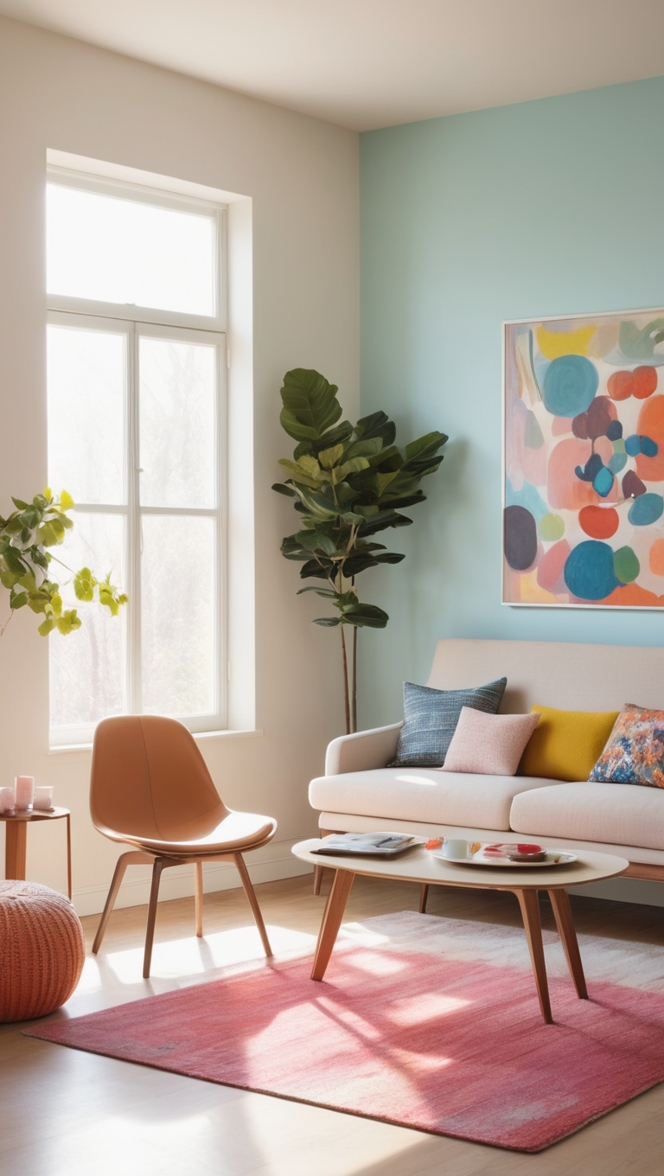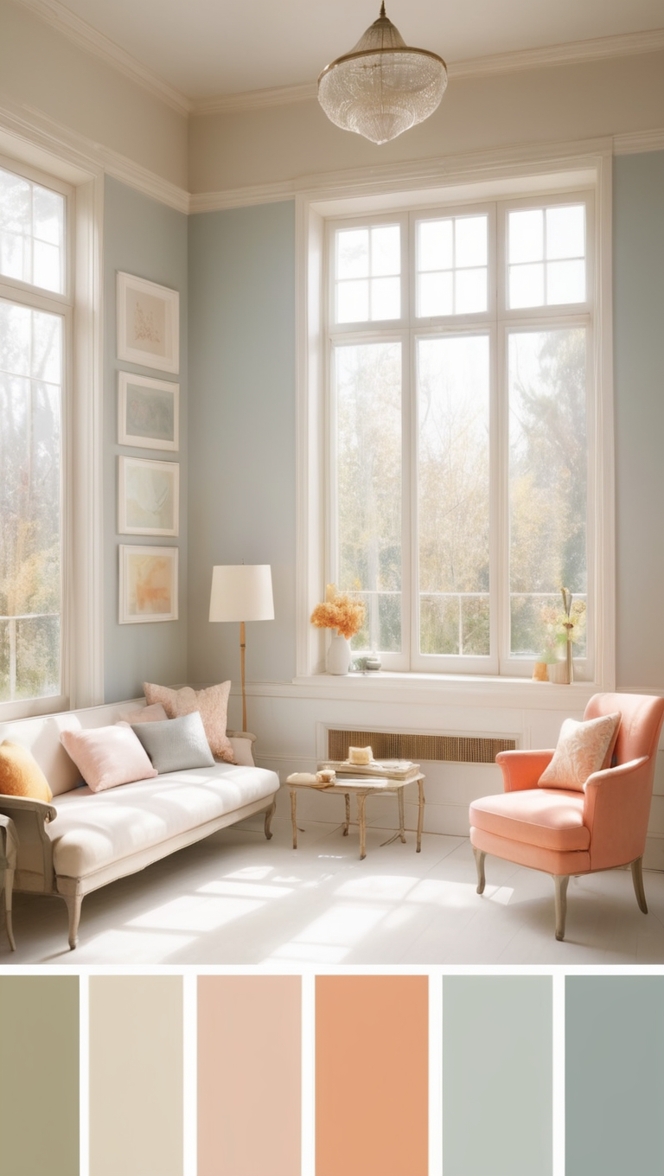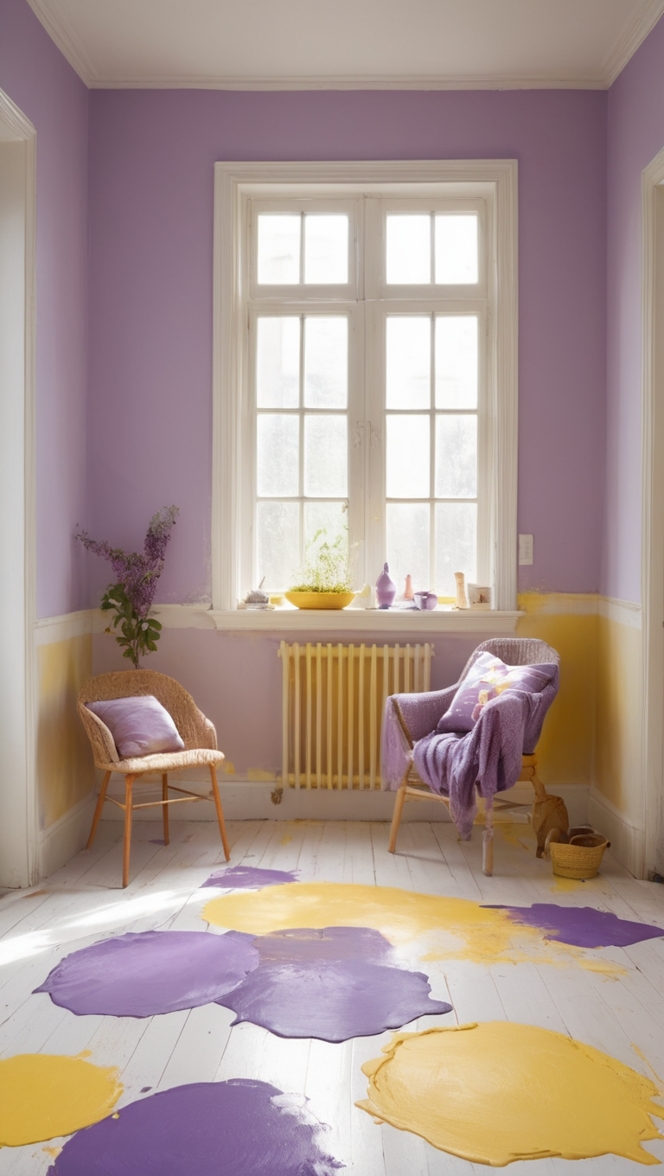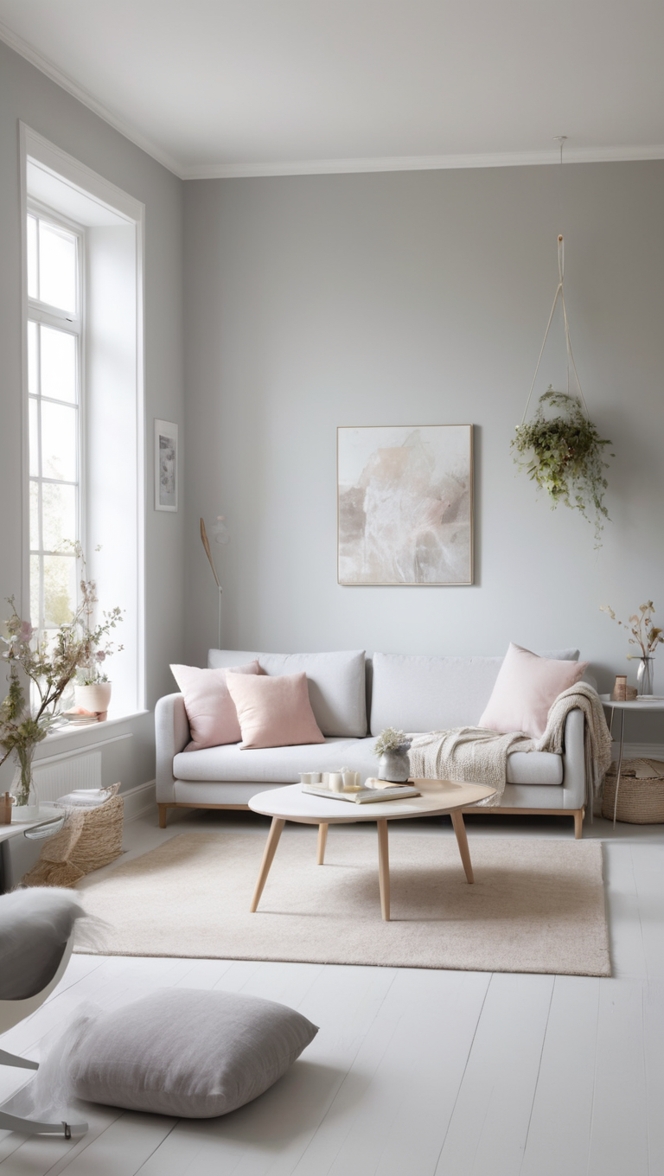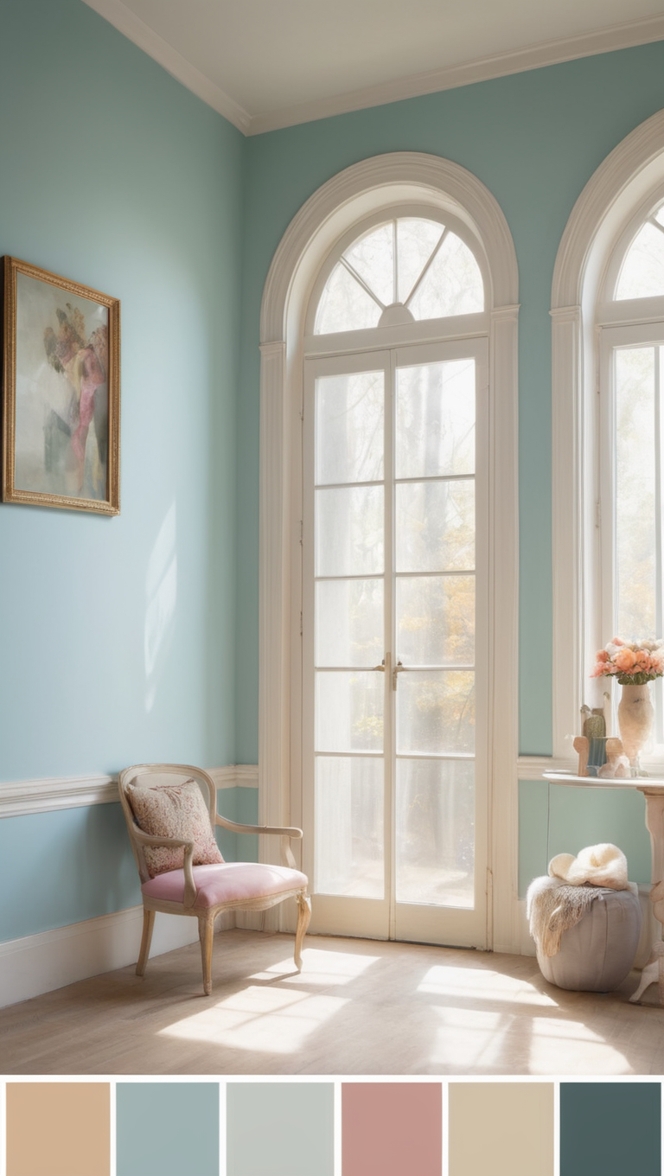
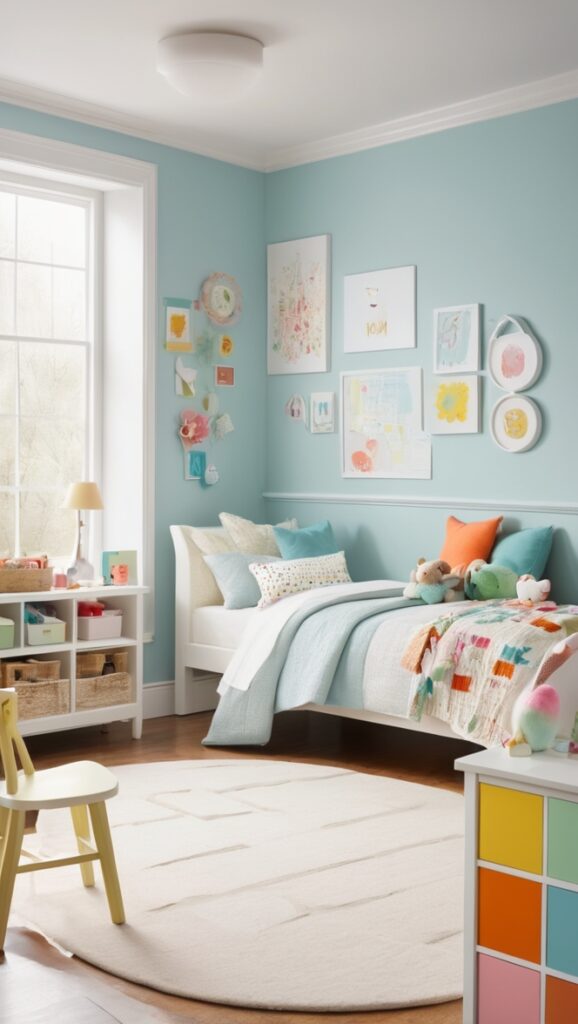
Are you wondering about the best colors for a kids room? Get inspired with creative kids room color schemes and decorating ideas.

Disclosure: This post contains affiliate links. We may earn a commission at no extra cost to you.
What are the best colors for a kids room?
kids room color palette
Choosing the right colors for a kids room is crucial for creating a playful and stimulating environment. Bright and cheerful colors like blue, green, yellow, and pink are ideal choices. These colors can enhance creativity, foster a sense of calm, and promote a positive mood. To add depth and contrast, consider adding accents of white or grey. Be mindful of not using colors that are too stimulating, such as red, as they can be overwhelming for children. It’s also important to involve your kids in the color selection process to create a space that they love and feel comfortable in.

## What are the best colors for a kids’ room?
As a homeowner and a parent, one of the most exciting yet daunting tasks is designing a kids’ room. The colors you choose for this space can significantly impact your child’s mood, behavior, and overall well-being. With my personal experience in designing my kids’ rooms, I have learned a lot about the best colors to use and how they can transform the atmosphere of the room. Here are some insights based on my own experimentation and research:
### 1. Should I stick to traditional gender-specific colors?
Gone are the days when pink was just for girls and blue was just for boys. While traditional gender-specific colors can still be a popular choice, there are no hard and fast rules when it comes to designing a kids’ room. I have found that incorporating a mix of colors that resonate with your child’s personality and interests can create a more personalized and inviting space. Don’t be afraid to think outside the box and experiment with unconventional color combinations.
### 2. What colors promote a calming environment for better sleep?
Creating a calming environment in a kids’ room is essential for promoting better sleep and relaxation. Soft, soothing colors like pastel blues, greens, and lavenders are ideal for creating a tranquil atmosphere. I have painted my children’s rooms in these calming shades and noticed a noticeable difference in their sleep patterns and overall mood. Consider incorporating these colors through wall paint, bedding, and decor to create a serene and peaceful space for your child.
### 3. How can I incorporate my child’s favorite colors without overwhelming the space?
While it’s essential to consider your child’s favorite colors when designing their room, it’s crucial to strike a balance and avoid overwhelming the space with too many bright or bold hues. I have found that incorporating pops of their favorite colors through accent walls, bedding, and accessories can add a playful touch without overpowering the room. Consider using neutral shades as a base and layering in their favorite colors for a cohesive and harmonious look.
### 4. Are there specific colors that can stimulate creativity and learning?
Certain colors have been shown to stimulate creativity and learning in children. Bright and vibrant colors like red, yellow, and orange can energize a space and inspire creativity. I have incorporated these colors in my kids’ playrooms and study areas to create a stimulating environment that encourages exploration and learning. Consider using these colors strategically in designated areas of the room to foster your child’s creativity and imagination.
### 5. Should I consider the psychological effects of different colors on children?
The psychological effects of colors on children are significant and can influence their mood and behavior. Warm colors like red and orange can evoke feelings of energy and excitement, while cool colors like blue and green can promote a sense of calm and relaxation. I have taken these psychological effects into account when choosing colors for my kids’ rooms to create a harmonious and balanced environment. Consider how different colors make your child feel and choose hues that align with their emotional needs.
### 6. How can I create a visually appealing and cohesive color scheme?
Creating a visually appealing and cohesive color scheme in a kids’ room can be challenging but rewarding. I have found that sticking to a color palette of 3-4 hues can help create a cohesive and harmonious look. Consider using a mix of complementary and contrasting colors to add visual interest and depth to the space. I have also used color swatches and mood boards to visualize how different colors will look together before making a final decision. Experiment with different color combinations until you find a scheme that resonates with your child’s personality and style.
### 7. Are there any color combinations to avoid in a kids’ room?
While there are no hard and fast rules when it comes to color combinations, some pairings may clash or create an overwhelming effect. I have found that combining too many bright or bold colors can create a chaotic and busy look in a kids’ room. Avoid using clashing colors in large doses and opt for a more balanced and harmonious palette. Consider using neutrals as a base and incorporating pops of color for a vibrant and playful touch. Experiment with different combinations to find a balance that works for your child’s room.
In conclusion, choosing the best colors for a kids’ room requires careful consideration of your child’s preferences, age, and the overall theme of the space. By exploring different color options and considering factors like calming effects, creativity stimulation, and visual appeal, you can create a nurturing and inspiring environment for your little one. Use my personal experiences and insights to guide you in selecting the perfect colors that will transform your child’s room into a welcoming and vibrant space.

12 Best Paint Colors for a Kids Room
1. Sky Blue: Benjamin Moore’s “Breath of Fresh Air” is a soothing blue that evokes a sense of calm and tranquility, perfect for a peaceful sleeping environment.
2. Sunshine Yellow: Sherwin-Williams “Lemon Twist” brings energy and happiness to a room, promoting creativity and optimism.
3. Mint Green: Behr’s “Springview Green” is a refreshing and cheerful color that stimulates creativity and a connection to nature.
4. Bubblegum Pink: Farrow & Ball’s “Nancy’s Blushes” adds a playful and whimsical touch to a girl’s room, creating a sweet and charming atmosphere.
5. Lavender Love: Valspar’s “Lilac Muse” is a soft and dreamy purple that promotes relaxation and imagination.
6. Fresh White: Benjamin Moore’s “Simply White” is a versatile color that brightens the room and allows other colors to pop as accents.
7. Sandy Beige: Sherwin-Williams “Accessible Beige” is a warm and neutral tone that provides a calming backdrop for colorful accessories and furnishings.
8. Ocean Teal: Behr’s “Calypso” is a vibrant teal that brings a sense of adventure and exploration to a boy’s room.
9. Coral Reef: Sherwin-Williams’ “Coral Reef” is a lively and energetic coral that adds a tropical vibe to the room.
10. Gray Skies: Benjamin Moore’s “Gray Owl” is a soft and serene gray that complements other colors and creates a modern look.
11. Lemon Lime: Behr’s “Lime Rickey” is a zesty green that adds a burst of energy and freshness to the room.
12. Cotton Candy: Sherwin-Williams’ “Frolic” is a soft and sweet pink that creates a dreamy and whimsical atmosphere.
Conclusion
When choosing colors for a kids room, consider the psychological effects of each color and how they can influence your child’s mood and behavior. Experiment with different combinations and involve your kids in the decision-making process to create a space that reflects their personality and preferences. Remember, a well-chosen color palette can transform a room into a magical and inspiring haven for your little ones.