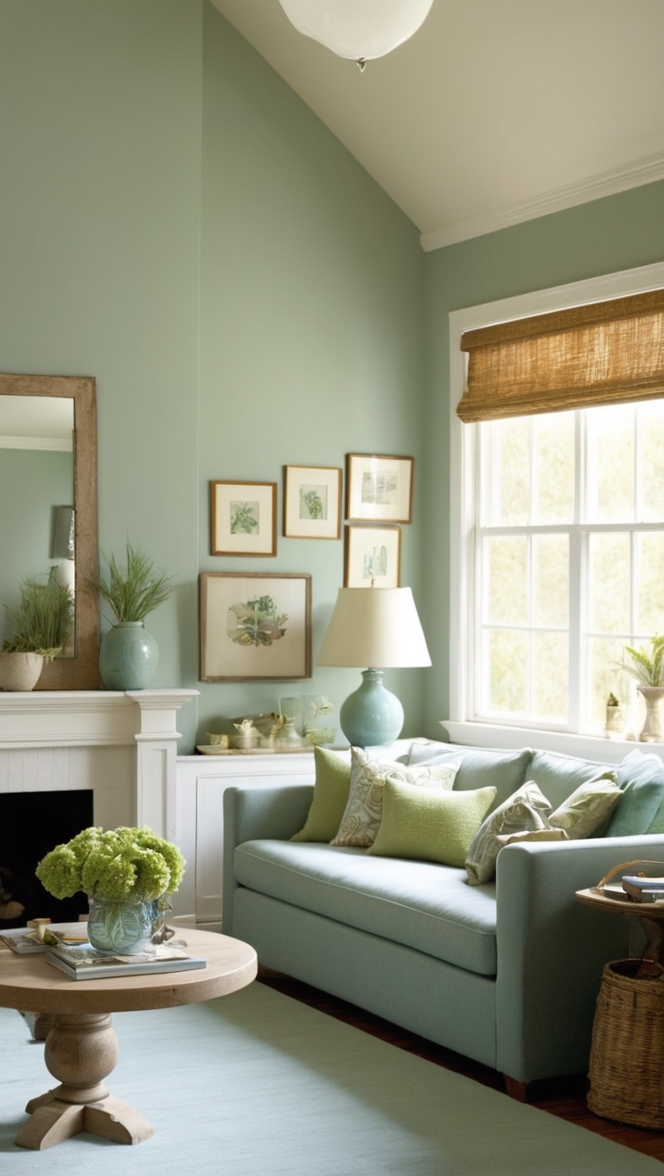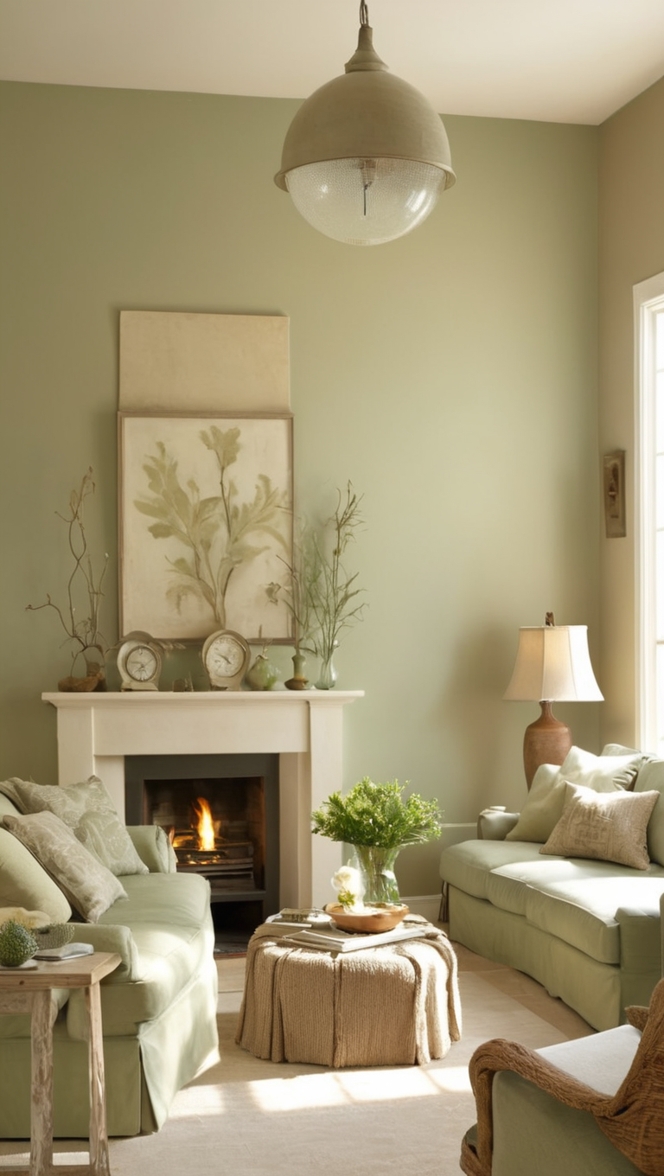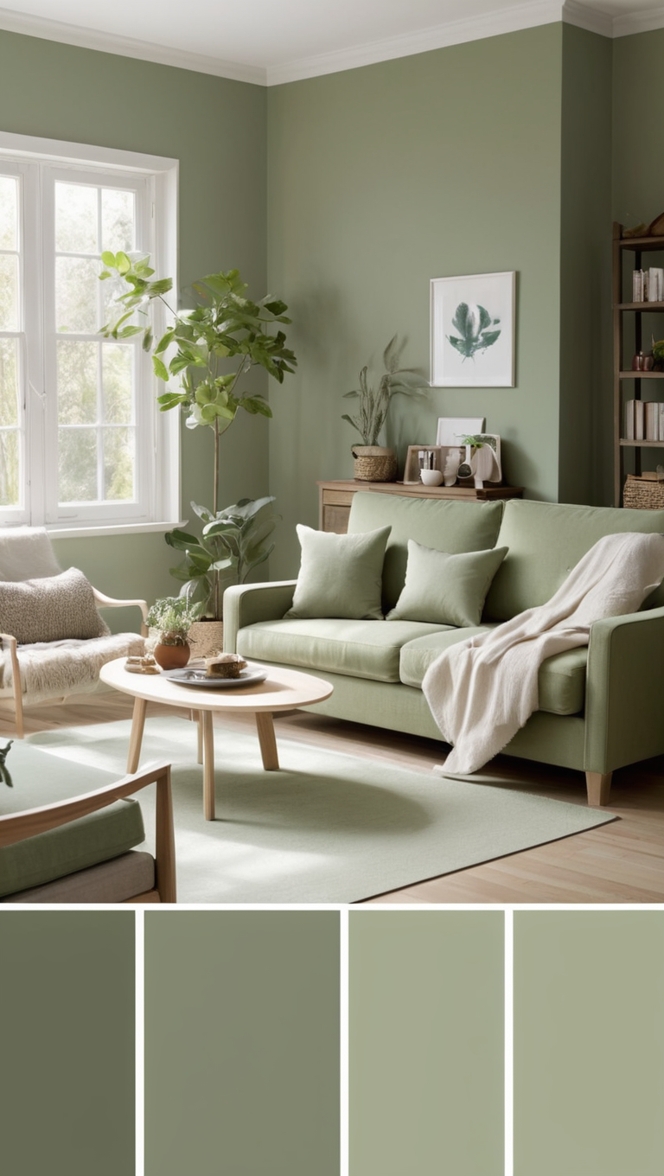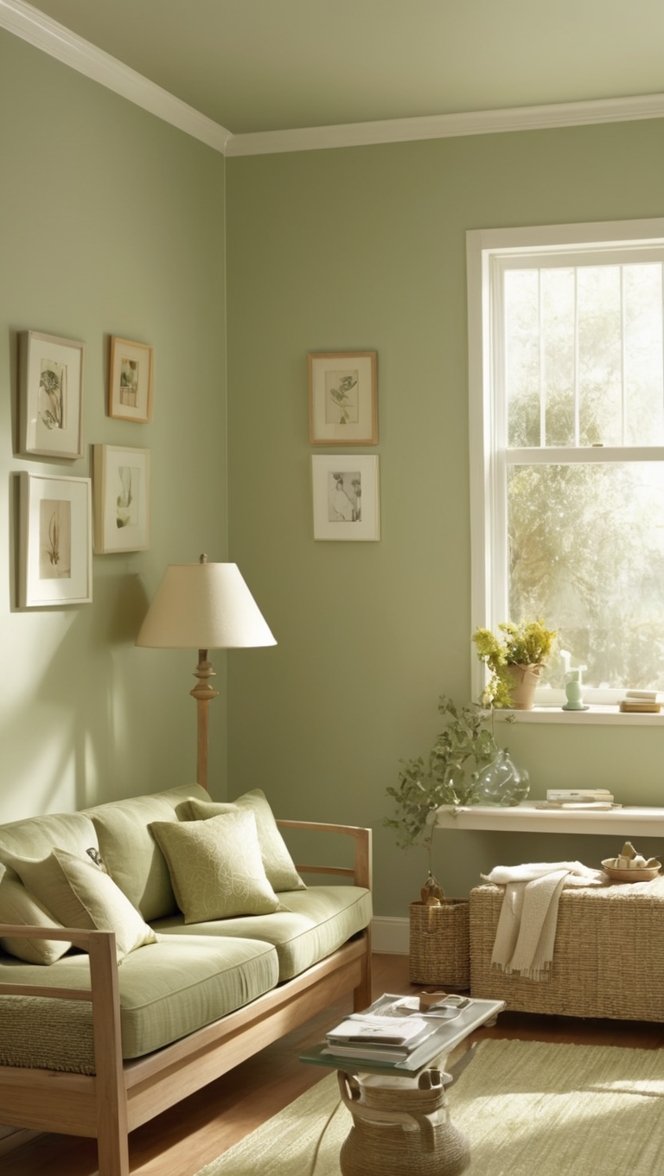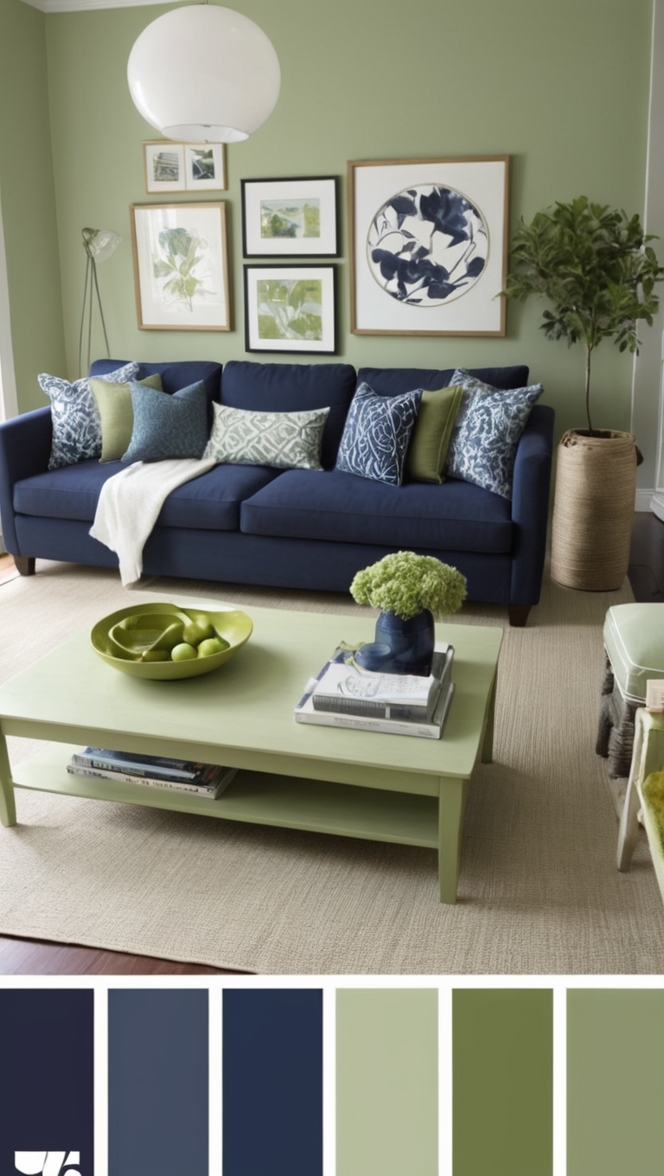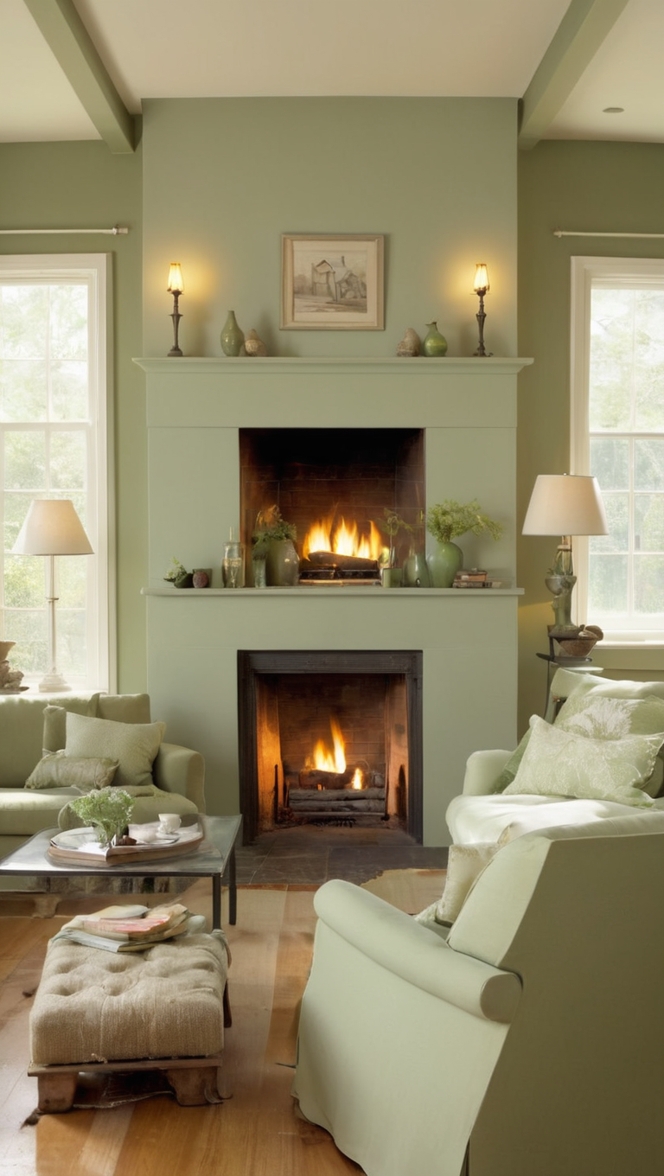

Discover the ideal rug colors to enhance a traditional living room design. Elevate your interior with classic hues that bring warmth and charm to your space.
What Are the Best Rug Colors for a Traditional Living Room?
How to Choose the Best Rug Color for a Traditional Living Room?
In a traditional living room, the rug color plays a crucial role in setting the tone and style of the space. When choosing the best rug color for a traditional living room, several factors need to be considered. Here are some important points to keep in mind:
– **Room Color Scheme:** Consider the existing color scheme of the room, including the walls, furniture, and decor. The rug color should complement these elements rather than clash with them.
– **Traditional Style:** Traditional living rooms often feature rich, warm colors such as deep reds, greens, blues, and golds. Opt for rug colors that are characteristic of traditional design styles.
– **Room Size:** The size of the room should also influence your rug color choice. Lighter rug colors can make a small room appear larger, while darker colors can add warmth and coziness to a larger space.
– **Lighting:** Consider the natural and artificial lighting in the room. Lighter rug colors can help brighten a darker room, while darker colors can create a more intimate ambiance in a well-lit space.
– **Personal Preference:** Ultimately, choose a rug color that resonates with your personal style and preferences. Don’t be afraid to experiment with different colors to find the perfect match for your traditional living room.
What Are the Benefits of Using Traditional Rug Colors in a Living Room?
Using traditional rug colors in a living room can have several benefits:
– **Timeless Elegance:** Traditional rug colors are classic and timeless, adding a sense of elegance and sophistication to the space.
– **Coordinated Design:** Traditional rug colors often work well with other traditional elements in the room, such as furniture and decor, creating a cohesive and coordinated design.
– **Warmth and Comfort:** Traditional rug colors, such as deep reds, greens, and blues, can create a warm and cozy atmosphere in the living room, inviting relaxation and comfort.
– **Versatility:** Traditional rug colors are versatile and can complement a wide range of furniture styles and color schemes, making them a flexible choice for various design preferences.
How to Incorporate Traditional Rug Colors into a Modern Living Room Design?
While traditional rug colors are typically associated with classic design styles, they can also be successfully incorporated into modern living room designs for a unique and eclectic look. Here are some strategies to blend traditional rug colors into a modern living room:
– **Contrast with Modern Elements:** Pair a traditional rug with sleek, modern furniture and minimalist decor to create a striking contrast that highlights the rug’s classic beauty.
– **Layering:** Layer a traditional rug over a larger, neutral rug in a modern living room to add texture, color, and visual interest to the space.
– **Mixing Styles:** Don’t be afraid to mix traditional rug colors with contemporary artwork, lighting fixtures, and accessories to achieve a harmonious balance between old and new.
– **Neutral Backdrop:** Use a neutral color palette for the walls and furniture in the living room to allow the traditional rug colors to take center stage and make a statement in the space.
What Are Some Popular Traditional Rug Colors for Living Rooms?
Traditional living rooms are often characterized by rich and earthy tones that evoke a sense of warmth and comfort. Some popular traditional rug colors for living rooms include:
– **Deep Red:** A classic choice for traditional rugs, deep red adds richness and a sense of luxury to the space.
– **Navy Blue:** Navy blue rugs are timeless and versatile, working well with a variety of traditional design styles.
– **Forest Green:** Forest green rugs bring a natural, earthy element to the living room and pair beautifully with wooden furniture.
– **Antique Gold:** Antique gold rugs add a touch of glamour and sophistication to traditional living rooms, enhancing the overall elegance of the space.
Can I Use Multiple Rug Colors in a Traditional Living Room?
While traditional design principles often emphasize cohesion and harmony in color schemes, using multiple rug colors in a traditional living room can create visual interest and a layered look. Here are some tips for incorporating multiple rug colors in a traditional living room:
– **Coordinating Tones:** Choose rug colors that complement each other and the overall color palette of the room to ensure a cohesive design.
– **Layering:** Layering rugs of different colors and patterns can add depth and texture to the space, creating a dynamic and visually appealing look.
– **Balance:** Make sure to balance the rug colors throughout the room, incorporating other elements like pillows, curtains, and upholstery in similar tones to create a unified design.
How to Coordinate Rug Colors with Furniture in a Traditional Living Room?
When coordinating rug colors with furniture in a traditional living room, it’s essential to create a harmonious and balanced color scheme. Here are some tips for achieving a cohesive look:
– **Complementary Colors:** Choose rug colors that complement the upholstery and wood finishes of your furniture pieces. For example, a red rug can bring out the warmth of brown leather furniture.
– **Contrast:** Use rug colors that provide a contrast to the furniture to create visual interest. A navy blue rug can add depth to a room with light-colored furniture.
– **Pattern Play:** Mix and match rug patterns with furniture upholstery for a layered and inviting look. Consider a floral rug with solid-colored furniture for a traditional aesthetic.
– **Neutral Foundations:** If your furniture pieces are bold and colorful, opt for a neutral rug color to serve as a foundation for the room and tie the elements together.
What Are the Risks of Choosing the Wrong Rug Color for a Traditional Living Room?
Choosing the wrong rug color for a traditional living room can have a significant impact on the overall aesthetic and feel of the space. Some risks of selecting the wrong rug color include:
– **Clashing with Decor:** A rug color that clashes with the existing decor or color scheme can disrupt the visual harmony of the room and create a jarring effect.
– **Diminished Impact:** Choosing a rug color that lacks contrast or fails to complement the other elements in the room can result in a lackluster and uninspiring living space.
– **Overwhelm or Underwhelm:** An overly bold or vibrant rug color can overwhelm the room, while a dull or uninspiring color choice can leave the space feeling underwhelmed and lacking personality.
– **Mismatched Style:** Selecting a rug color that doesn’t align with the overall style of the living room can create a disjointed and disjointed look that detracts from the cohesive design.
Key Takeaways
– **Room Color Scheme:** Consider the existing color scheme of the room when choosing a rug color.
– **Traditional Style:** Opt for rich, warm colors characteristic of traditional design for a classic look.
– **Coordinated Design:** Traditional rug colors can create a cohesive and elegant living room design.
– **Balance and Harmony:** Coordinate rug colors with furniture to achieve a harmonious and visually appealing space.
– **Personal Preference:** Ultimately, choose a rug color that resonates with your personal style and preferences.