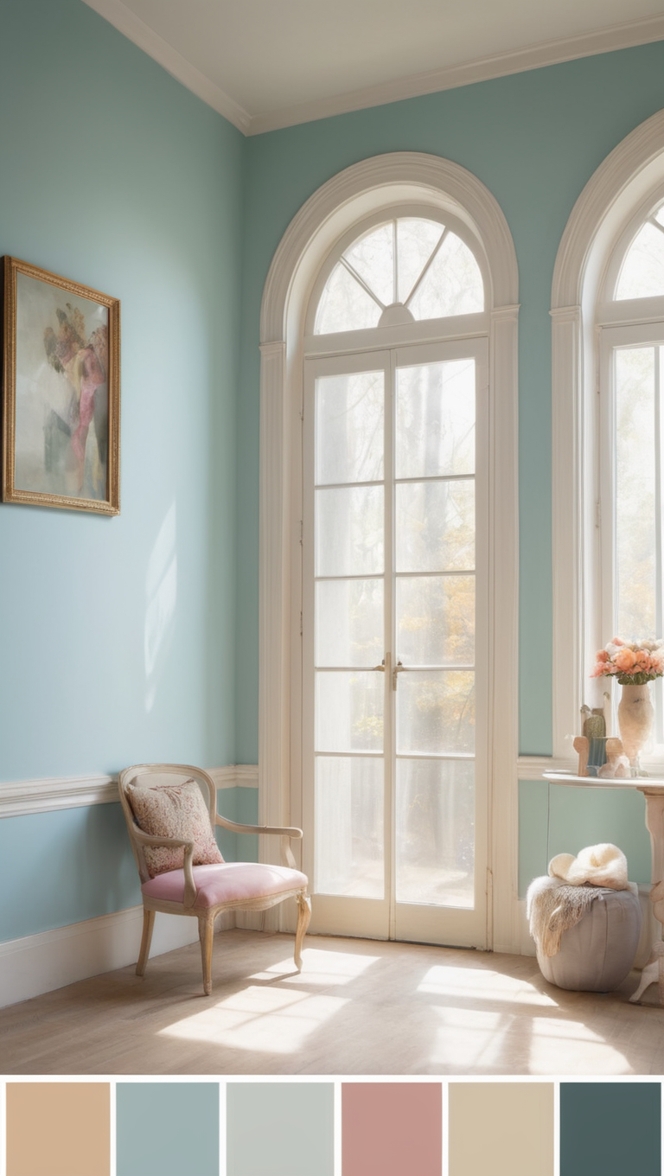
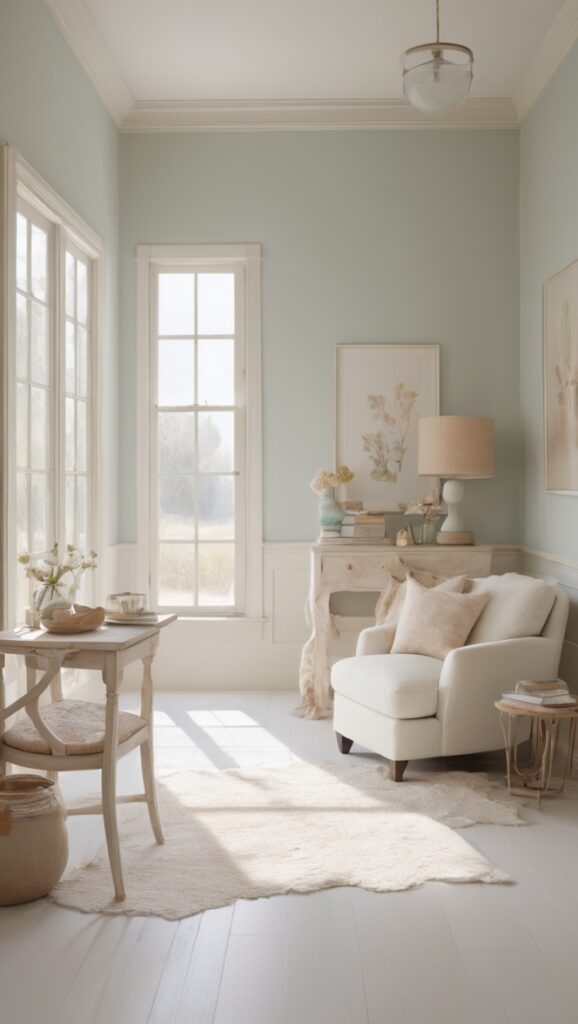
Looking to achieve a cohesive look with a desaturated color palette? Master the art of muted tones and faded color schemes.
Disclosure: This post contains affiliate links. We may earn a commission at no extra cost to you.
**Tips for creating a cohesive look with a desaturated color palette**
**Question:**
How can I create a cohesive look with a desaturated color palette?
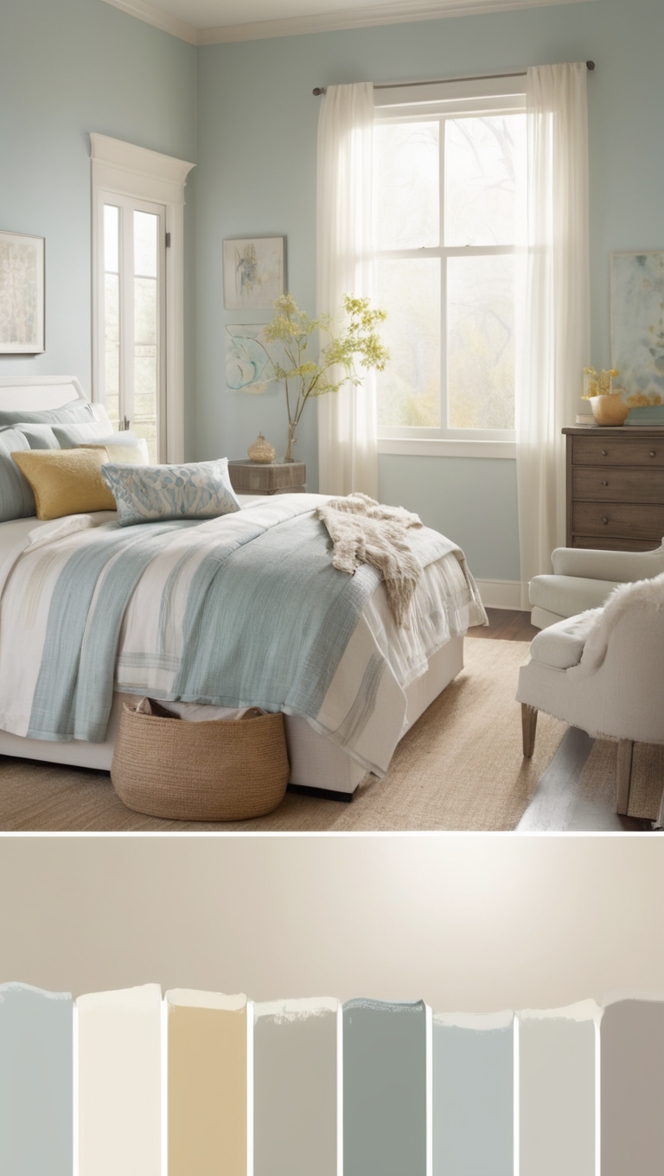
**Answer:** A desaturated color palette consists of muted and toned-down shades that can create a calming and sophisticated atmosphere in your home. To achieve a cohesive look, start by selecting a primary desaturated color as the base and then layer in complementary desaturated hues for balance. Consider incorporating textures and patterns to add visual interest. Sticking to a cohesive color scheme will help tie the room together seamlessly.
As an experiment, try implementing various shades of grey, beige, or soft pastels in your decor. Be mindful of lighting to prevent the space from feeling too dim. Experiment with different combinations to find what works best for your desired ambiance.
By staying organized and planning your color choices in advance, you can achieve a balanced and harmonious look that complements your home decor.
Tips for creating a cohesive look with a desaturated color palette
Questions to Consider when Creating a Cohesive Look with a Desaturated Color Palette:
1. How can desaturated colors enhance the overall aesthetic of a design?
As a homeowner who loves experimenting with interior design, I’ve found that desaturated colors can create a sophisticated and calming atmosphere in a space. By using muted tones like soft grays, dusty blues, and faded greens, you can achieve a subtle yet elegant look that is easy on the eyes. Desaturated colors also have a timeless quality that can make a room feel more inviting and cohesive.
2. What are some key principles to keep in mind when working with desaturated color palettes?
When working with desaturated colors, it’s important to consider the undertones of each hue to ensure that they complement each other. Mixing warm and cool tones can create depth and interest in a design, while sticking to a limited color palette can help maintain a cohesive look. It’s also essential to pay attention to the lighting in a room, as natural light can affect how desaturated colors appear.
3. How can contrasting hues be effectively utilized in a desaturated color scheme?
Contrasting hues can add visual interest and dimension to a desaturated color palette. By incorporating a pop of a bold color like navy blue or mustard yellow amidst muted tones, you can create a focal point in a room and draw the eye to specific elements. Using contrasting hues sparingly can help create balance and prevent the space from feeling too monochromatic.
4. What role does texture play in complementing desaturated colors?
Texture is crucial in enhancing the richness and depth of desaturated colors. Mixing different textures like velvet, linen, or wood can add tactile interest to a space and prevent it from feeling flat. Textured elements can also help create a cozy and inviting atmosphere, making the room feel more layered and dynamic.
5. How can the use of gradients enhance the depth and dimension of a desaturated color palette?
Gradients can create a sense of depth and movement in a design, especially when working with desaturated colors. By blending different shades of a single color or transitioning between two complementary hues, you can add visual interest and drama to a space. Gradients can be used on walls, fabrics, or accessories to create a subtle yet impactful effect.
6. What are some tips for achieving balance and harmony in a design using desaturated colors?
To achieve balance and harmony in a design with desaturated colors, it’s important to vary the tones and shades throughout the space. Mixing light and dark hues can create contrast and depth, while incorporating different textures and patterns can add visual interest. Using a mix of matte and glossy finishes can also help create a sense of balance and cohesion.
7. How can desaturated colors evoke specific moods or emotions in a design?
Desaturated colors have the power to evoke different moods and emotions depending on the tones and combinations used. Soft pastel hues can create a serene and peaceful atmosphere, while deeper shades like charcoal gray or olive green can add a sense of sophistication and drama. By carefully selecting desaturated colors based on the desired mood, you can create a space that feels harmonious and inviting.
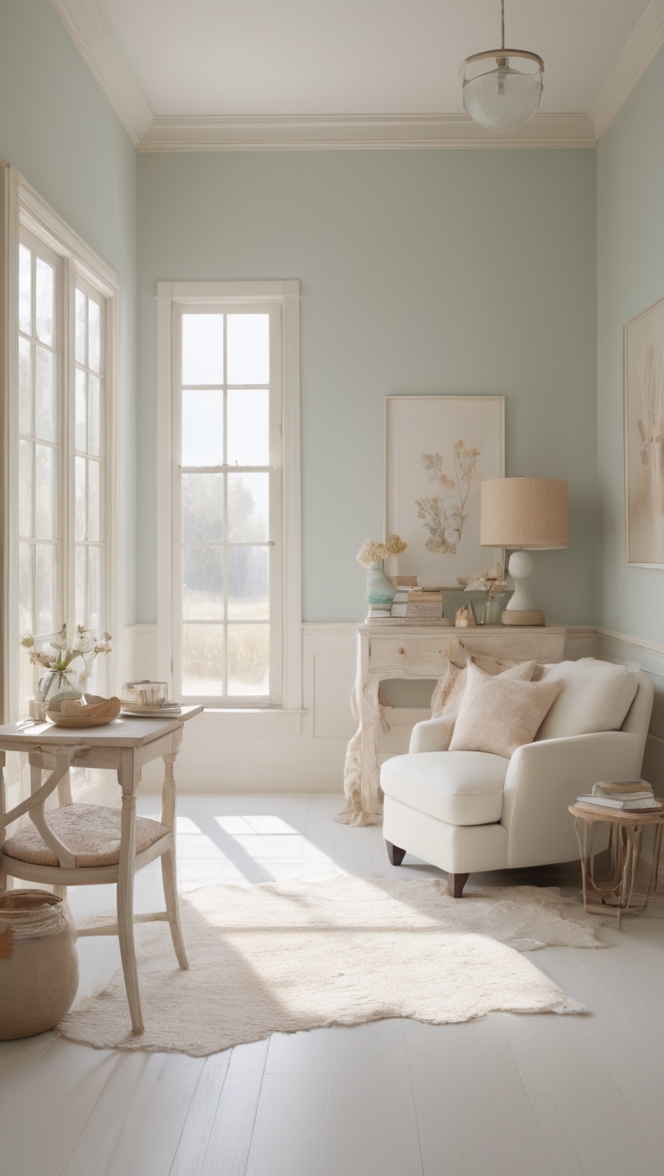
**Tips for creating a cohesive look with a desaturated color palette**
**How to create a cohesive look with a desaturated color palette?**
Creating a cohesive look with a desaturated color palette can bring a sense of harmony and sophistication to your space. By carefully selecting and combining muted tones, you can achieve a serene and elegant atmosphere. Here are some tips and ideas to help you master the art of using desaturated colors in your home decor:
1. **Start with a Base Color**: Choose a primary desaturated color as the foundation for your palette. This could be a soft grey, a muted beige, or a subtle pastel shade. This base color will set the tone for the rest of your decor.
2. **Layer in Complementary Hues**: To create depth and interest, introduce complementary desaturated hues into your color scheme. For example, if your base color is a light grey, consider adding touches of pale blue or dusty lavender to add dimension.
3. **Consider Texture and Pattern**: Incorporating different textures and patterns can enhance the visual appeal of a desaturated color palette. Mix in elements like linen, wool, or natural wood to add warmth and texture to the space.
4. **Play with Light and Dark**: Experiment with varying shades of desaturated colors to create contrast in your decor. Lighter tones can make a space feel airy and open, while darker shades can add a sense of coziness and depth.
5. **Stay Organized**: Keep your color choices organized by creating a mood board or color palette to reference as you decorate. This will help you maintain a cohesive look throughout the room.
6. **Experiment with Paint Colors**: Consider using specific paint colors from brands like Sherwin Williams or Benjamin Moore to achieve the perfect desaturated look. Colors like “Repose Gray” or “Balboa Mist” can provide a subtle and elegant backdrop for your decor.
7. **Balance Warm and Cool Tones**: Mix warm and cool desaturated hues to create a balanced color scheme. Warm tones like soft taupe or honey beige can add a cozy feel, while cool tones like sage green or dusty blue can bring a sense of calmness.
8. **Add Metallic Accents**: Incorporating metallic accents like brass, copper, or silver can add a touch of glamour to a desaturated color palette. Consider using metallic frames, light fixtures, or decorative objects to add a subtle shine to the room.
9. **Bring in Natural Elements**: Introducing natural elements like plants, wood accents, or stone textures can complement desaturated colors beautifully. Greenery can add a pop of color and freshness to a muted palette, while wood tones can warm up the space.
10. **Use Artwork and Accessories**: Pull your color palette together by incorporating artwork and accessories that feature your chosen desaturated hues. Consider framed prints, throw pillows, or decorative vases in complementary colors to tie the room together.
11. **Create a Focal Point**: Choose a focal point in the room, such as a statement piece of furniture or a bold accent wall, to anchor your desaturated color scheme. This focal point can help guide the rest of your decor choices.
12. **Personalize with Accent Colors**: While desaturated colors form the base of your palette, don’t be afraid to add pops of accent colors for a personalized touch. Consider introducing a vibrant accent color like mustard yellow or dusty rose to add a touch of personality to the space.
By following these tips and ideas, you can create a cohesive and stylish look with a desaturated color palette in your home. Experiment with different combinations, textures, and accessories to find the perfect balance that suits your taste and style. Embrace the calming and sophisticated vibe that desaturated colors can bring to your decor, and enjoy a space that feels harmonious and inviting.