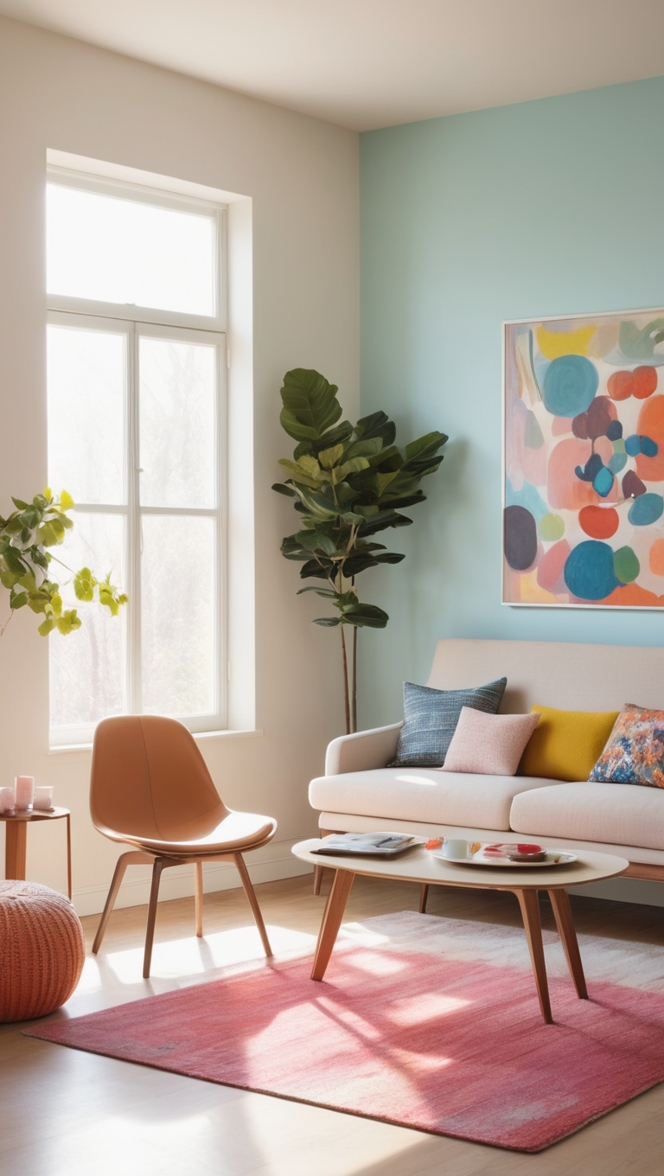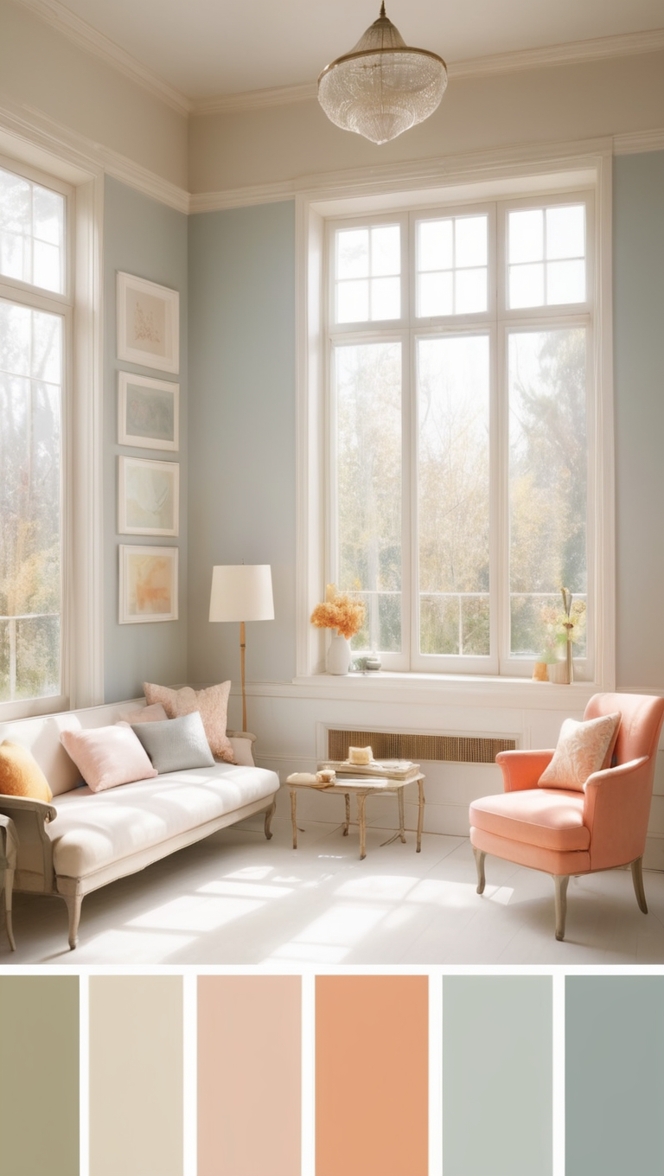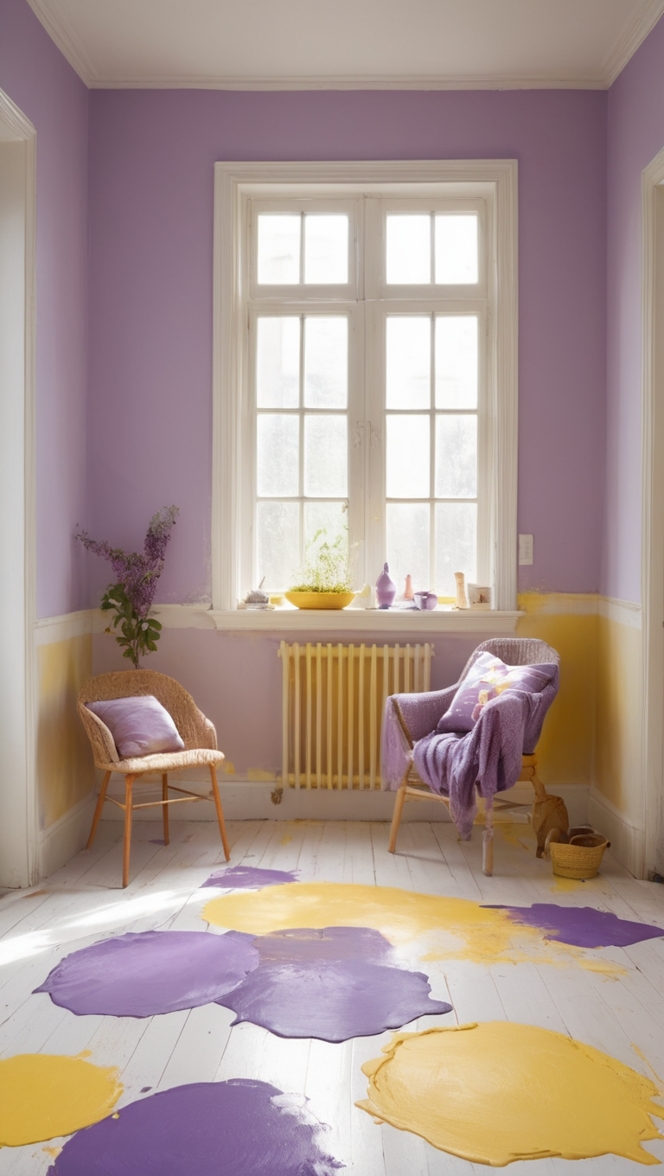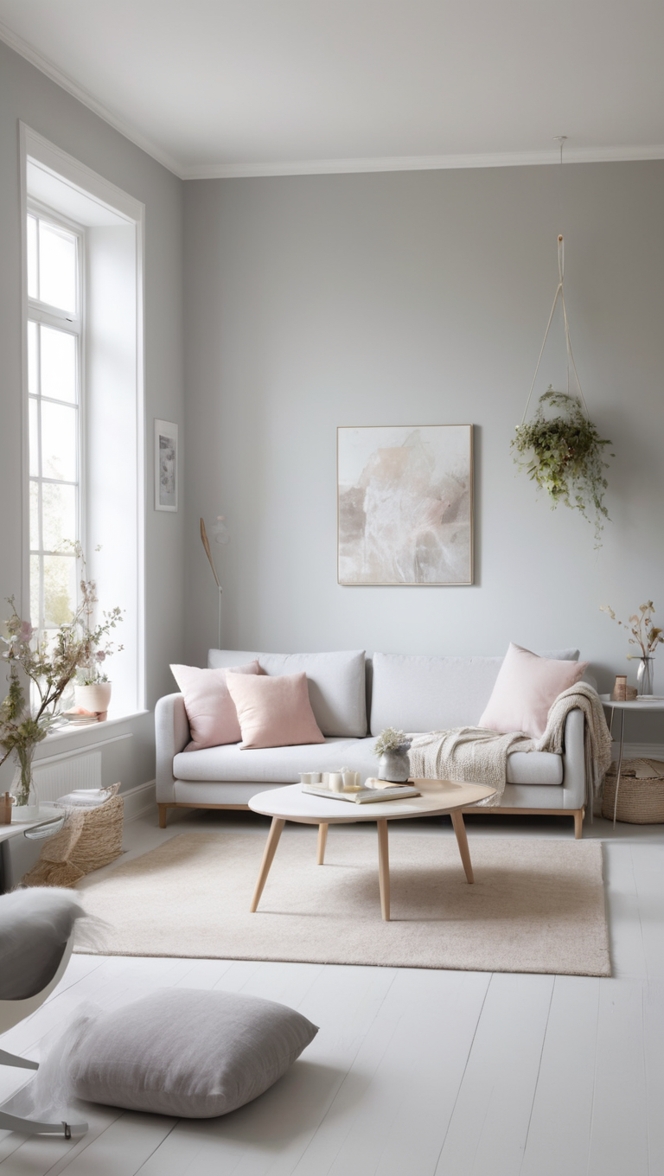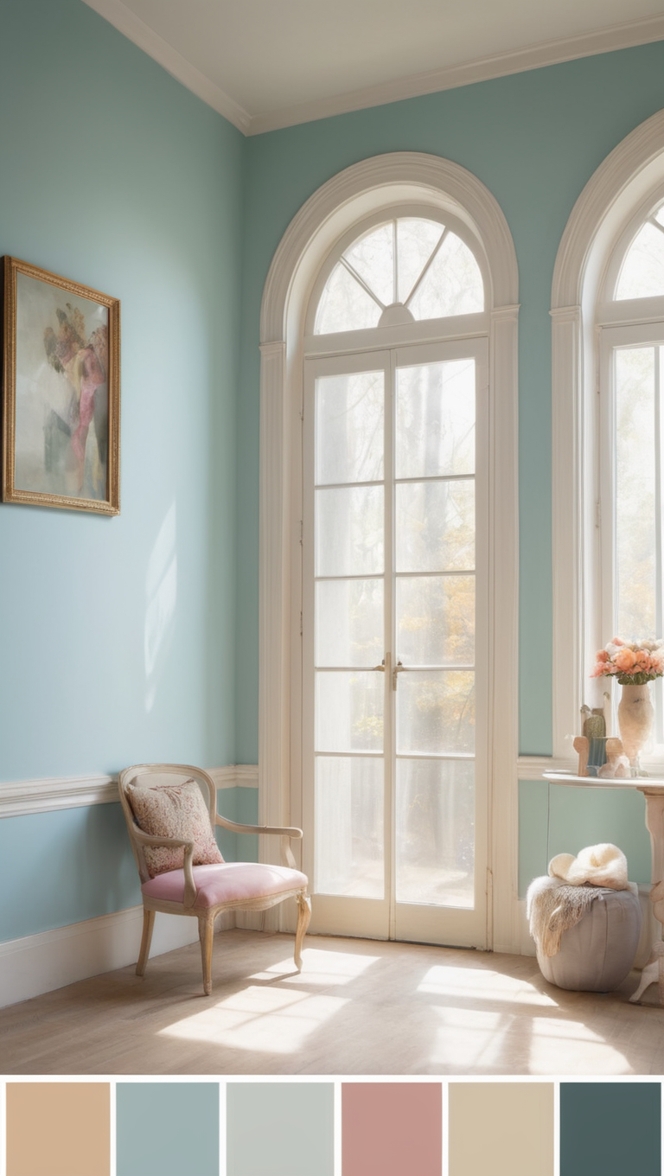
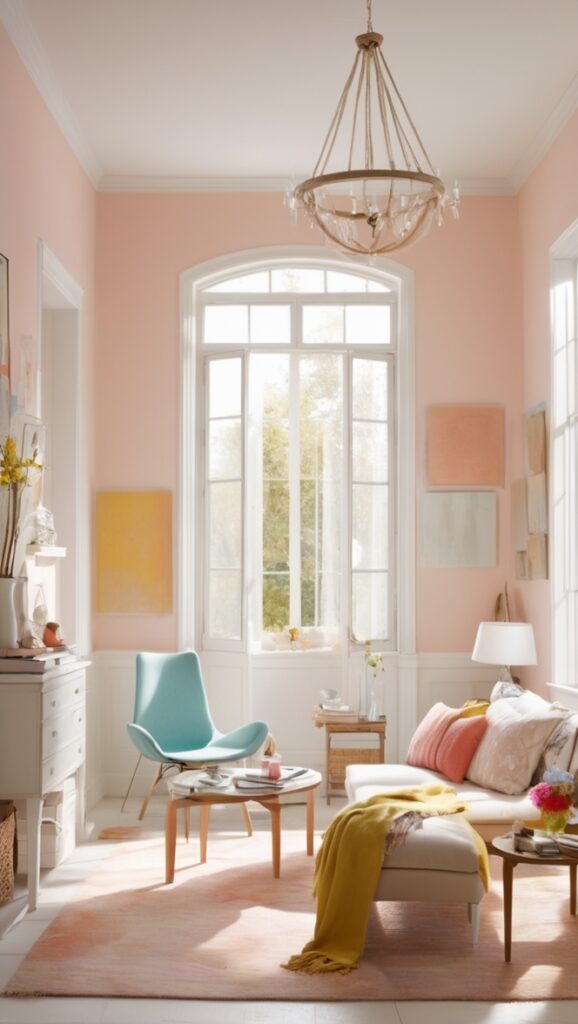
Curious about color theory, color wheel, and complementary colors? Learn how to discover your perfect color palette.
Disclosure: This post contains affiliate links. We may earn a commission at no extra cost to you.
How can I discover my perfect color palette?
How to find your color palette
As a homeowner exploring décor ideas, discovering your perfect color palette involves assessing your preferences and drawing inspiration from various sources like nature, magazines, or social media. Consider the mood you want to create in each room and choose colors that reflect that vibe. Experiment with sample swatches before committing to a color scheme to avoid any potential mistakes. Being organized and keeping a record of your color choices can help maintain a cohesive look throughout your home.
## How can I discover my perfect color palette?
When it comes to choosing a color palette for your website, branding, or any design project, it can be a daunting task. With so many colors to choose from, how do you know which ones will work best together? Here are the top questions that may come to mind when trying to discover your perfect color palette:
### 1. What is a color palette?
A color palette is a set of colors that are chosen to work harmoniously together in a design project. It typically includes a primary color, secondary colors, and accent colors. The purpose of a color palette is to create a cohesive and visually appealing look that conveys a specific mood or message.
### 2. Why is choosing the right color palette important?
Choosing the right color palette is crucial because colors have the power to evoke emotions, convey meaning, and establish a brand identity. The colors you choose can influence how your audience perceives your brand or website. A well-thought-out color palette can enhance the overall design and make a lasting impression on viewers.
### 3. How can I determine my brand or project’s personality and style?
To determine your brand or project’s personality and style, consider the values and message you want to communicate. Think about the emotions you want to evoke in your audience and the overall tone of your brand. For example, if you want to convey a sense of luxury and sophistication, you may choose a color palette with rich, deep hues. If you want to appear more playful and energetic, brighter and bolder colors may be more appropriate.
### 4. Should I consider color theory when selecting a color palette?
Color theory is a set of principles that guide the use of color in design. Understanding color theory can help you create visually appealing and harmonious color palettes. Consider factors such as color harmony, contrast, and the psychological effects of different colors when selecting your palette. Using complementary colors, analogous colors, or a monochromatic scheme can help you achieve a cohesive and balanced look.
### 5. What are some tools and resources available to help me find the perfect color palette?
There are numerous online tools and resources that can assist you in finding the perfect color palette for your project. Websites like Adobe Color, Coolors, and Canva’s color palette generator allow you to explore different color combinations and create custom palettes. You can also draw inspiration from nature, fashion, art, and other sources to discover unique color schemes that resonate with your vision.
### 6. How can I ensure my color palette is cohesive and harmonious?
To ensure your color palette is cohesive and harmonious, consider factors such as color balance, contrast, and hierarchy. Choose a dominant color to set the tone for your design, then select complementary or analogous colors to create harmony and visual interest. Pay attention to the proportions of each color in your palette and use them strategically to guide the viewer’s eye through the design.
### 7. Can I experiment with different color combinations before making a final decision?
Yes, experimenting with different color combinations is an essential part of the design process. Use mockups, mood boards, and color swatches to test out various color schemes and see how they interact with each other. Don’t be afraid to try bold combinations or unexpected pairings – sometimes the most striking color palettes come from thinking outside the box. Trust your instincts and choose colors that feel right for your brand or project.
By addressing these questions and considering your brand’s identity, target audience, and design goals, you can confidently discover your perfect color palette that resonates with your vision and effectively communicates your message. Remember that the perfect color palette is a reflection of your brand’s personality and style, so take the time to explore different options and find the colors that truly represent you.
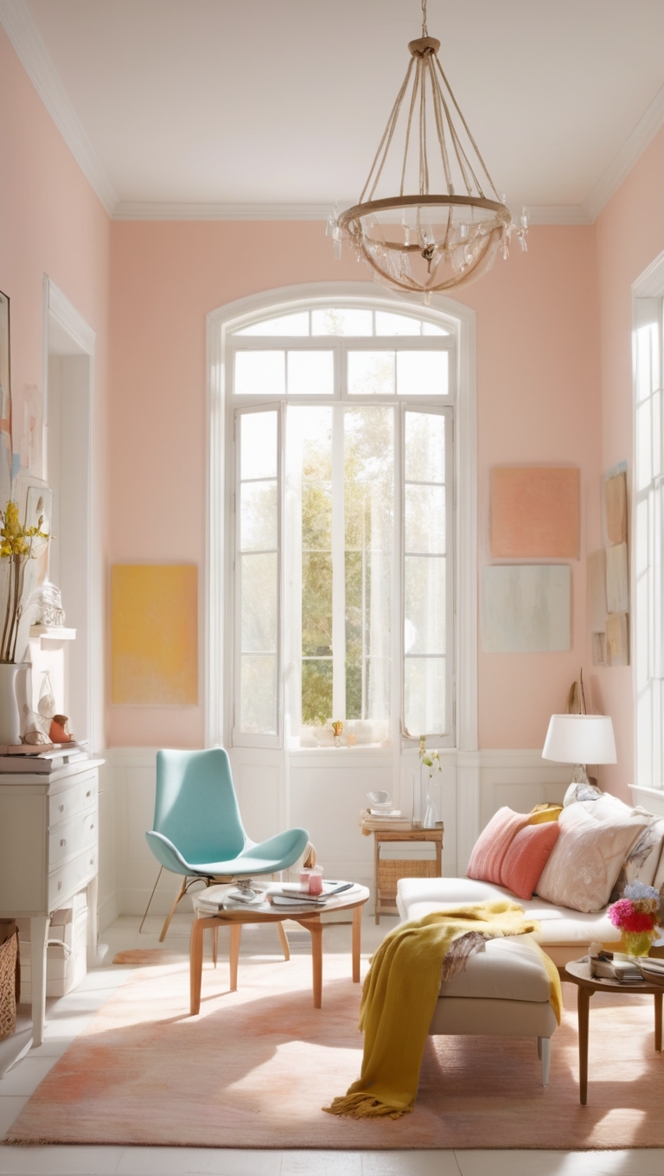
Discovering Your Perfect Color Palette: A Guide to Finding the Right Paint Colors for Your Home
How to Find Your Color Palette
When it comes to choosing the perfect color palette for your home, it’s essential to consider your preferences and draw inspiration from various sources. Whether you’re looking to create a cozy atmosphere in your living room or a serene vibe in your bedroom, the right paint colors can make a significant difference. Here are some tips and ideas to help you discover your ideal color palette:
1. Start with Inspiration from Nature: Nature is a great source of inspiration for color palettes. Take a walk outside and observe the colors of the landscape around you. From the soothing blues of the ocean to the vibrant greens of the forest, nature offers a diverse range of hues that can inspire your home decor.
2. Browse Home Decor Magazines: Flip through home decor magazines to get ideas for color combinations that appeal to you. Pay attention to the color schemes used in various room settings and take note of the ones that catch your eye. Magazines can be a great source of inspiration for finding your perfect color palette.
3. Utilize Social Media Platforms: Platforms like Pinterest and Instagram are treasure troves of design inspiration. Create mood boards or save posts that feature color schemes you love. Follow interior designers and home decor enthusiasts to stay updated on the latest trends in color palettes.
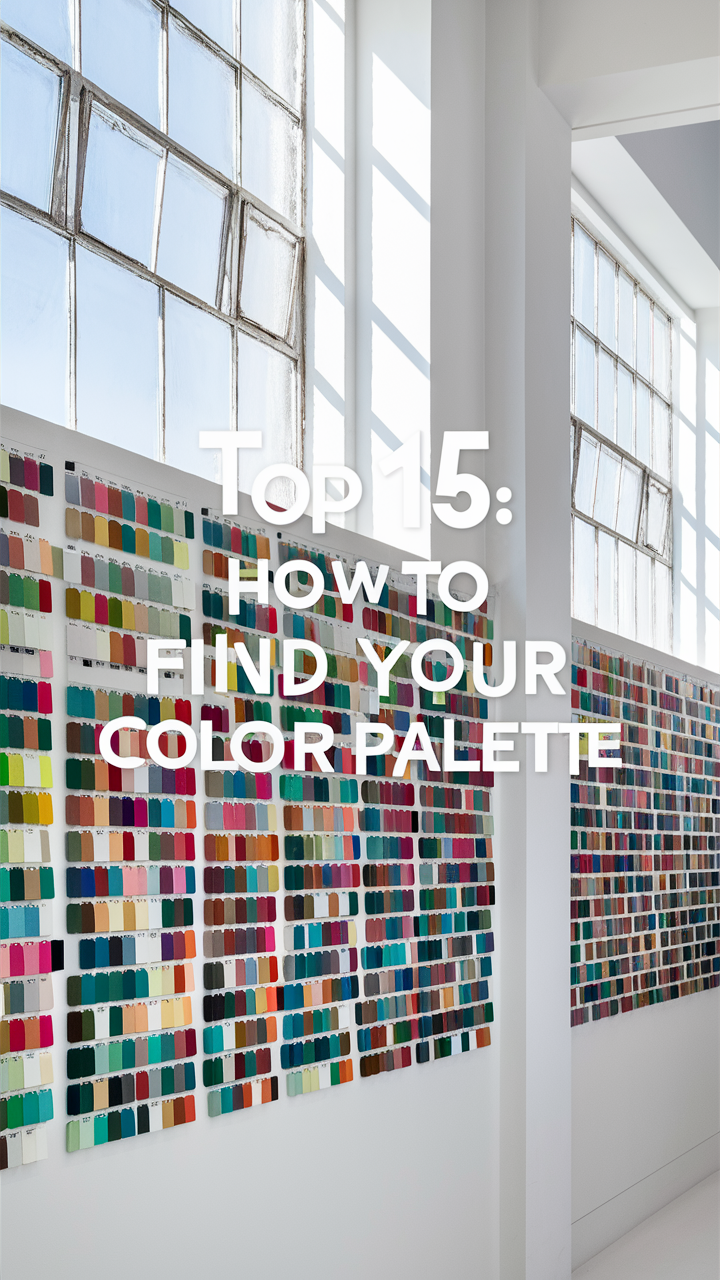
4. Experiment with Sample Swatches: Before committing to a color scheme, it’s crucial to test out different shades with sample swatches. Paint a small area of your wall with the colors you’re considering and observe how they look in different lighting conditions. This will help you avoid any potential mistakes and ensure that you’re happy with your final choice.
5. Consider the Mood You Want to Create: Think about the mood you want to evoke in each room of your home. Do you want a relaxing and tranquil space or a vibrant and energetic atmosphere? Choose colors that reflect the mood you’re trying to create to ensure a cohesive look throughout your home.
6. Keep a Record of Your Color Choices: Stay organized by keeping a record of the colors you’ve chosen for each room. This will help you maintain consistency and coordination in your color palette. Consider creating a color swatch book or digital folder to store your color choices for easy reference.
7. Get Inspired by Artwork: Art can be a great source of inspiration for color palettes. Look at your favorite artwork or prints and identify the dominant colors. Use these colors as a starting point for creating a harmonious color scheme for your home.
8. Consult a Color Wheel: If you’re unsure about which colors complement each other, refer to a color wheel for guidance. Complementary colors are opposite each other on the color wheel and can create a dynamic contrast, while analogous colors are next to each other and provide a harmonious blend.
9. Personalize Your Color Palette: Don’t be afraid to inject your personality into your color choices. Whether you prefer bold and dramatic hues or soft and subtle tones, choose colors that resonate with you and reflect your style.
10. Consider the Function of Each Room: Take into account the function of each room when selecting a color palette. For example, soothing blues and greens are ideal for bedrooms, while warm neutrals are perfect for living areas. Tailor your color choices to suit the purpose of each space.
11. Seek Professional Advice: If you’re still unsure about choosing the right color palette for your home, consider consulting a professional interior designer. They can provide expert guidance and help you create a cohesive color scheme that suits your taste and lifestyle.
12. Trust Your Instincts: Ultimately, the most important factor in choosing a color palette is to trust your instincts. If a particular color combination speaks to you and makes you feel happy, go with it. Your home should be a reflection of your personality and style, so choose colors that resonate with you.
By following these tips and ideas, you can discover your perfect color palette and create a harmonious and inviting home environment. Remember to stay true to your preferences and experiment with different colors until you find the ones that make you feel at home. Happy painting!