
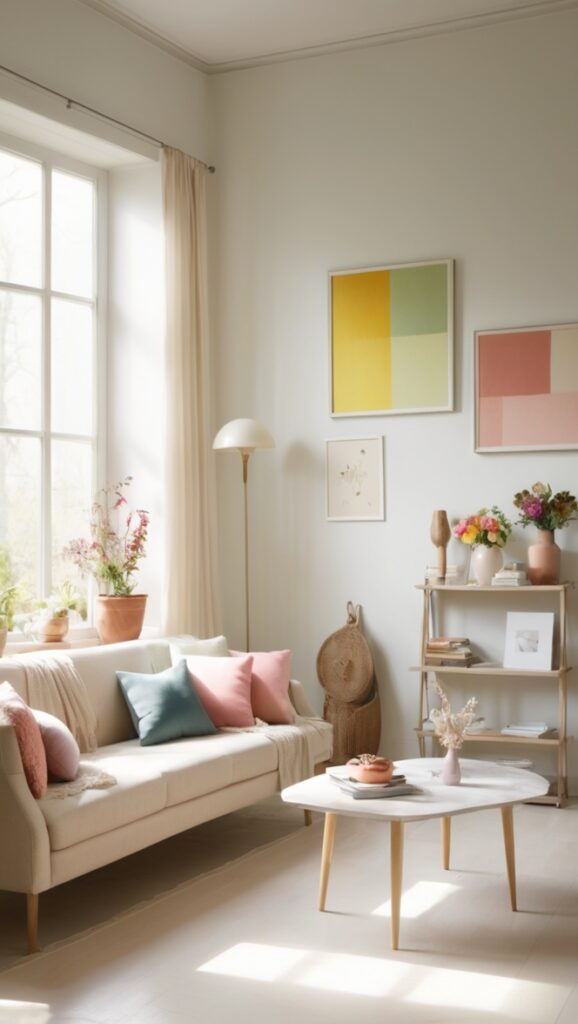
Want to elevate your home decor with the organic color palette? Explore expert tips on color selection and harmonies.
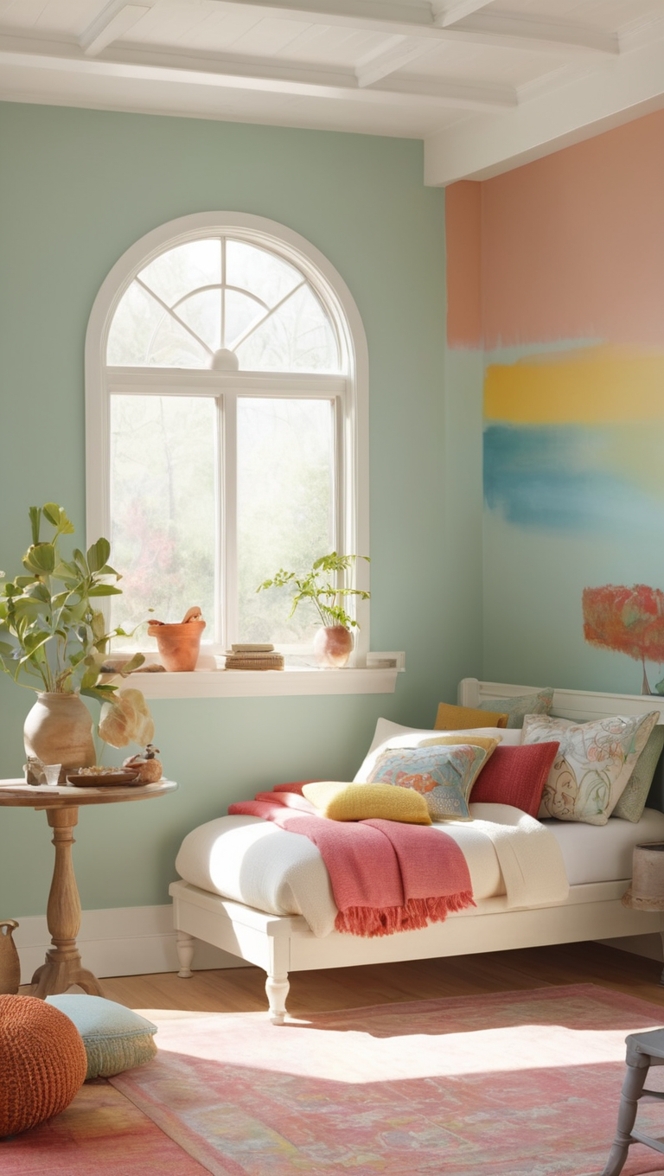
Disclosure: This post contains affiliate links. We may earn a commission at no extra cost to you.
Organic color palette involves incorporating earthy, natural tones into your home decor. To achieve this look, consider using hues inspired by nature such as warm browns, soft greens, gentle blues, and muted yellows. Mix and match these colors in your furniture, walls, and accessories to create a harmonious and calming atmosphere in your living space. Be mindful of balance and not overwhelming the space with too many colors to maintain a cohesive design. Additionally, opt for eco-friendly materials and practices when selecting decor items to truly embrace the organic theme.

How can I incorporate the organic color palette into my home decor?
1. What exactly is the organic color palette?
As a homeowner looking to create a natural and calming atmosphere in your living space, the organic color palette is a perfect choice. The organic color palette consists of earthy tones inspired by nature, such as greens, browns, blues, and neutrals. These colors evoke a sense of tranquility and connection to the outdoors, making them ideal for creating a harmonious environment in your home.
2. Why should I consider using the organic color palette in my home decor?
Using the organic color palette in your home decor can help create a sense of balance and serenity. These natural hues are soothing to the eye and can promote a feeling of relaxation and well-being. By incorporating organic colors into your home, you can bring a touch of nature indoors and create a peaceful retreat from the stresses of everyday life.
3. What are the key colors in the organic color palette?
The key colors in the organic color palette include shades of green, brown, blue, and neutral tones. These colors can be used in various combinations to create a harmonious and cohesive look in your home. Green represents growth and renewal, while brown evokes a sense of stability and grounding. Blue is calming and serene, while neutrals provide a versatile backdrop for other colors to shine.
4. How can I use earthy tones to create a cohesive look in my home?
To create a cohesive look using earthy tones, consider using a mix of different shades and textures. For example, you can pair a soft sage green with a warm terracotta and a rich chocolate brown to add depth and visual interest to your space. Mixing and matching earthy tones can help create a layered and inviting atmosphere in your home.
5. What materials and textures complement the organic color palette?
Materials such as wood, stone, and natural fibers like jute and linen complement the organic color palette beautifully. These materials add warmth and texture to your space, enhancing the natural and earthy feel of the color scheme. Incorporating tactile elements like woven baskets, rustic wood furniture, and stone accents can further enhance the organic vibe in your home.
6. Are there any specific patterns or prints that work well with organic colors?
Patterns inspired by nature, such as botanical prints, floral motifs, and geometric patterns reminiscent of natural formations, work well with organic colors. These patterns can add a touch of visual interest and personality to your home decor while maintaining a cohesive and natural look. Consider incorporating these patterns through throw pillows, rugs, curtains, or artwork to tie the room together.
7. Can I incorporate pops of color into an organic color scheme without losing the natural feel?
Yes, you can incorporate pops of color into an organic color scheme to add personality and vibrancy to your space. Consider using accents of bold colors like mustard yellow, burnt orange, or deep teal to create visual interest and contrast against the earthy backdrop. By strategically adding pops of color in small doses, you can liven up your space without overwhelming the natural feel of the organic color palette.
By addressing these questions and incorporating the organic color palette into your home decor, you can create a soothing and inviting space that reflects your connection to nature and promotes a sense of well-being.