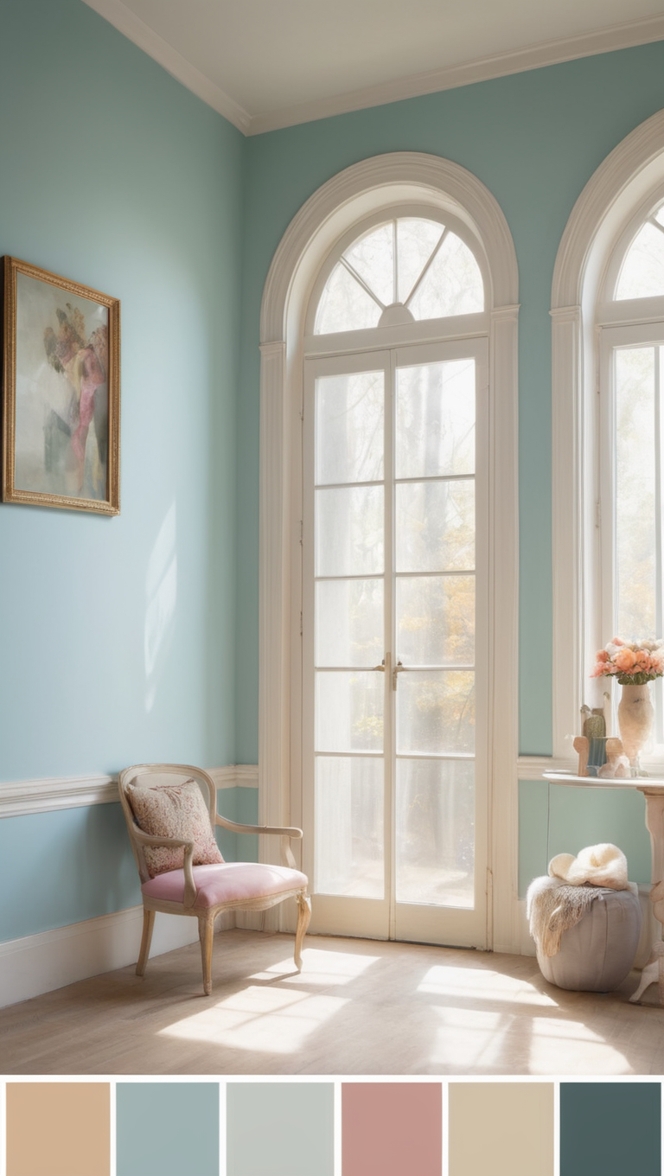

Dive into the impact of seasonal color palettes on fashion trends, unveiling the significance of fall, winter, spring, and summer hues.
Disclosure: This post contains affiliate links. We may earn a commission at no extra cost to you.
What is the significance of the seasonal color palette for fashion trends?
Seasonal Color Palette
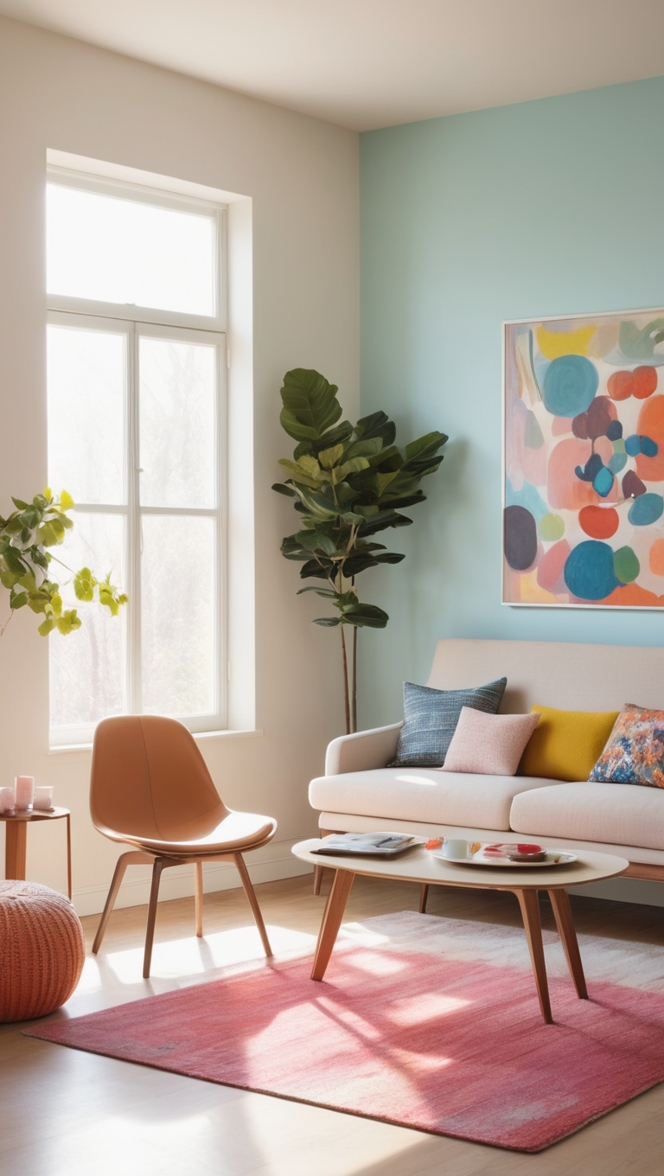
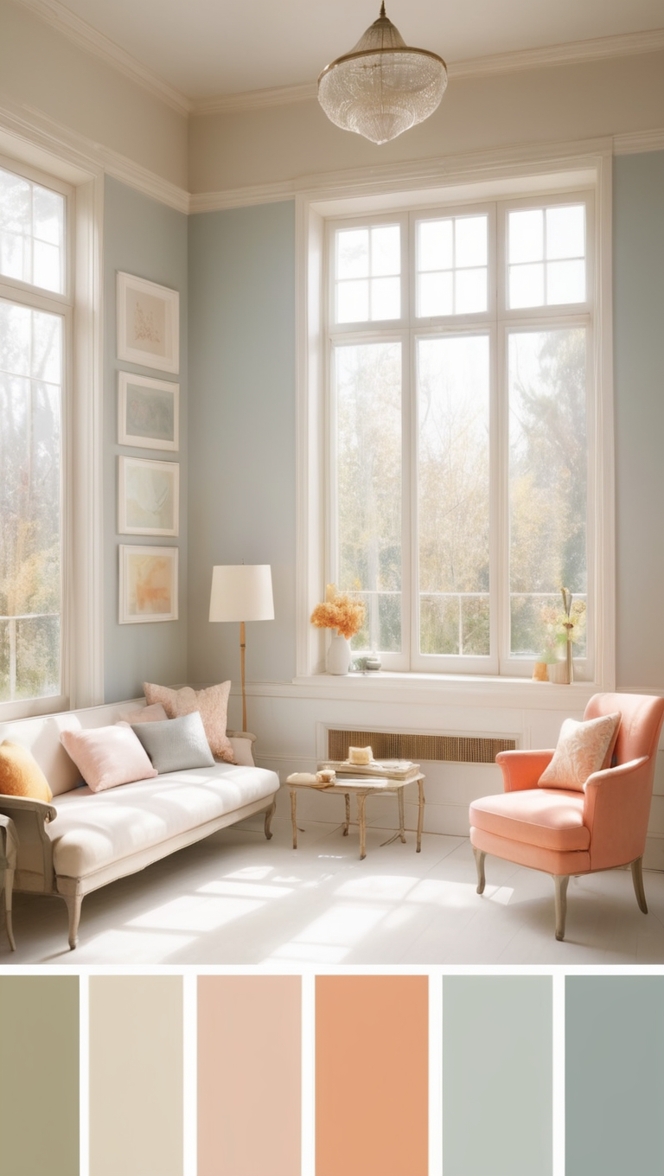
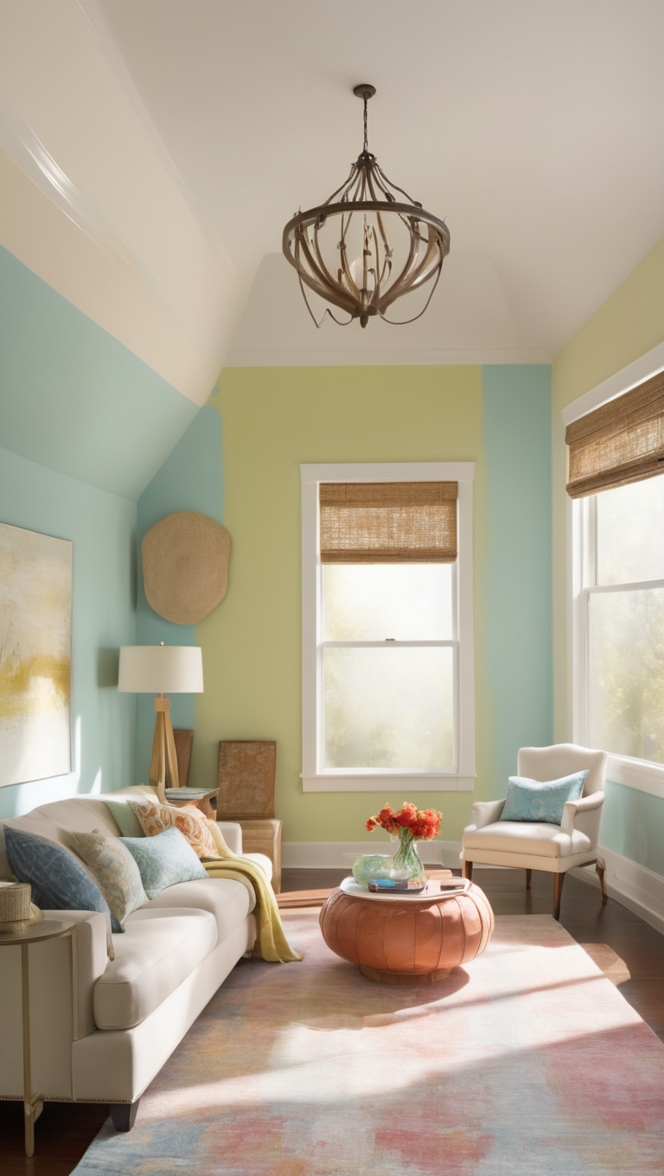
As a homeowner planning your decor ideas, adopting a seasonal color palette can bring your home to life. By incorporating seasonal colors, you can create a fresh and trendy atmosphere throughout the year. Benefits include a vibrant and inviting space, while risks may involve color clashes if not carefully curated. To stay organized, consider creating a color palette chart or mood board to ensure a cohesive look. Researching popular seasonal color trends can guide your selection process.
The Significance of the Seasonal Color Palette for Fashion Trends
1. Why do fashion designers follow seasonal color palettes?
As a personal homeowner experimenting with different color schemes in my living space, I have come to appreciate the importance of seasonal color palettes in fashion trends. Fashion designers follow these palettes to stay current and relevant in the industry. By incorporating seasonal colors into their collections, designers cater to the changing preferences of consumers who are influenced by the colors they see in stores and on social media.
2. How do seasonal color palettes influence consumer purchasing behavior?
From my own experience, I’ve noticed that seasonal color palettes can greatly impact consumer purchasing behavior. When a new season arrives and fashion brands release collections in line with the latest color trends, consumers are more likely to be drawn to these products. The desire to stay fashionable and up-to-date drives individuals to make purchases based on the colors that are deemed trendy for that particular season.
3. What impact do seasonal color trends have on the fashion industry as a whole?
Seasonal color trends play a significant role in shaping the fashion industry. They drive innovation and creativity among designers, influencing not only clothing but also accessories, makeup, and even home decor. The cyclical nature of seasonal color palettes keeps the industry dynamic and ever-evolving, ensuring that there is always something new and exciting for consumers to look forward to.
4. How are seasonal color palettes determined and forecasted by trend analysts?
Trend analysts play a crucial role in determining and forecasting seasonal color palettes. They study a variety of factors such as cultural influences, global events, and consumer behavior to predict which colors will be popular in the upcoming seasons. By staying ahead of trends, these analysts help fashion designers create collections that resonate with consumers and drive sales.
5. What role does psychology play in the selection of colors for seasonal fashion trends?
Psychology plays a significant role in the selection of colors for seasonal fashion trends. Different colors evoke specific emotions and moods, and designers strategically choose hues that will resonate with consumers. By understanding the psychological impact of colors, designers can create collections that not only look visually appealing but also elicit a desired emotional response from their target audience.
6. How do cultural influences shape the seasonal color palette in different regions?
Cultural influences play a major role in shaping the seasonal color palette in different regions. Colors hold different meanings and symbolism in various cultures, and designers take these factors into consideration when creating collections for specific markets. By incorporating culturally relevant colors, designers can appeal to a diverse range of consumers and create products that resonate with their values and traditions.
7. What are the potential risks of strictly adhering to seasonal color palettes in fashion design?
While seasonal color palettes are essential for staying current in the fashion industry, there are potential risks associated with strictly adhering to them. Designers may become too reliant on trends and lose their creative edge, resulting in collections that lack originality. Additionally, constantly changing color trends can lead to overproduction and waste, as unsold products from previous seasons may become obsolete.
12 Unique Long-Tail Keywords for Seasonal Color Palette Ideas
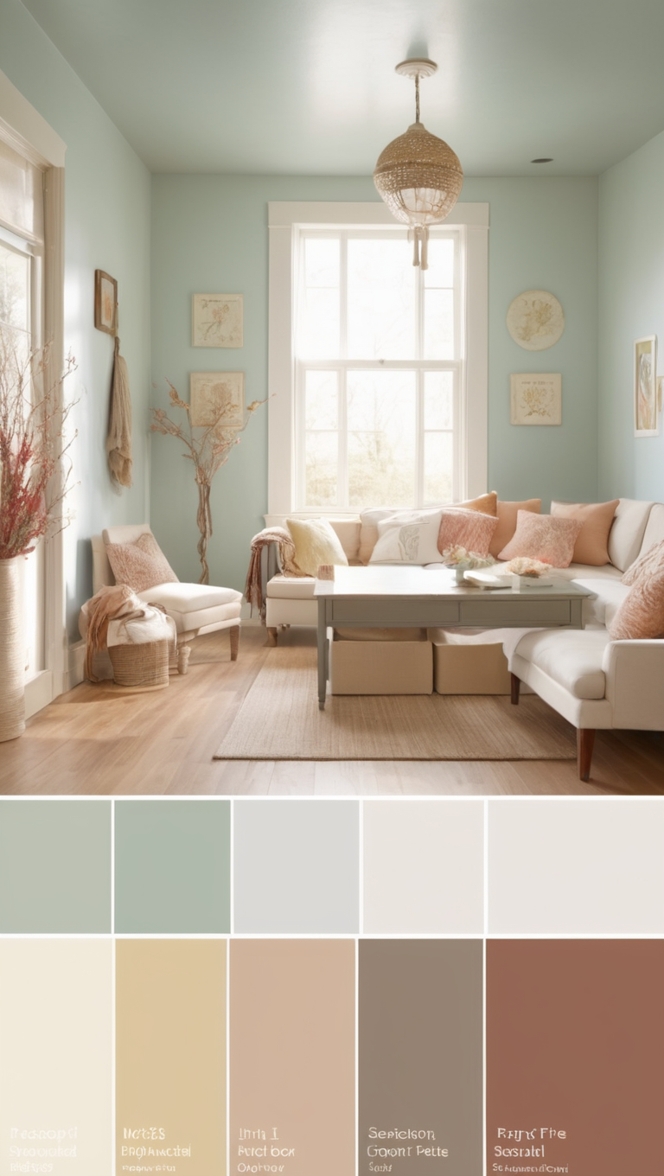
When it comes to selecting paint colors for your home, incorporating a seasonal color palette can be a game-changer. From the vibrant hues of Sherwin Williams to the timeless shades of Benjamin Moore, choosing the right colors can transform your space. Here are 12 unique long-tail keywords that can inspire your seasonal color palette ideas:
1. “Sherwin Williams Naval Blue”
2. “Benjamin Moore Revere Pewter”
3. “Seasonal Color Trends for Fall”
4. “Warm Neutrals for Winter Decor”
5. “Spring Pastel Palette Inspiration”
6. “Bold Summer Color Schemes”
7. “Cozy Autumn Shades for Home”
8. “Tropical Vibes with Teal Accents”
9. “Earthy Tones for a Natural Look”
10. “Refreshing Citrus Colors for Spring”
11. “Muted Jewel Tones for Fall”
12. “Monochromatic Winter Wonderland”
By incorporating these unique long-tail keywords into your seasonal color palette research, you can discover new and exciting ideas for transforming your home decor. Whether you prefer bold and bright hues or soft and soothing tones, there’s a color palette out there to suit every style and season. Experimenting with different paint colors and combinations can help you create a space that feels fresh, inviting, and truly unique.